(This post is also on my Substack page, but i posted it here as well. Thanks for reading!)
When i was 14 years old i was introduced to Metallica.
By the time i turned 15, they were my favorite band. Exactly one month after the day i turned 15, i saw them live. While i may have not been the only one, i was the only African i saw in the entire audience, and one of the few who was not a guy. While i headbanged and danced with the best of them that night, i still kept not one, but both my eyes open in the middle of Buffalo, NY, in 1991.
From deathly glares and stares, to ‘What are you doing here??!!”‘, 1991 was a time where people like me were made fun of (and sometimes attacked) for listening to punk and metal. As i pushed on, i engaged a barrage of, ‘Why are you listening to that White people music??!!’ A teenaged me was not confident or astute enough to push back and tell them about Sister Rosetta Tharpe, (arguably) the architect of the sound which birthed the music i was made fun of for listening to. i didn’t think fast enough to tell them about Bo Diddley (who inspired everyone from the Rolling Stones to Jesus And Mary Chain) or Detroit-based Death, one of the architects of what soon became known as punk rock. i was too busy trying to protect myself to remember to big up Betty Davis, Sylvester Stewart, or George Clinton, who had a hand in moving rock forward to the future, while still honoring its roots. ————————————————————————————————————-
34 years later (and one year closer to 50); amazingly, i am still here.
i feel happy to have been alive to see a shift in consciousness regarding the music i was heavily made fun of for listening to. You are seeing more acknowledgement of those who had a hand in its creation. Undoubtedly because of the positions bands have increasingly taken, you are also seeing more ethnic, geographical, gender (and i’m sure ideological) diversity at shows.
And here is where we return to Metallica. The band’s general message has been fairly similar since the late 1990s (and even more fine-tuned in later years): We do not care who you are; we are all here in the name of unifying through music. We are all the Metallica family. This message could not be more evident, as i’ve gone to the shows on their latest M72 tour, and as i’ve seen Metallica Saved My Life, the Jonas Åkerlund-directed documentary covering the lives of folks in the community- a documentary i had a chance to participate in.
The documentary highlighted a diversity of map locations, economic experiences, gender expressions and identities, disabilities, and more. While a band like Metallica has vocally expressed that they “don’t care” who you are; that sentiment holds much more weight when expressed through, for example, a documentary which they greenlit.
Having met all of the band members before; while i won’t get into it much here, it was briefly meeting them at the Tribeca Film Festival showing of the documentary which honed in on this meaning for me. In a way, it was the many eras of my life, flashing before my eyes. It was taking in the moment of seeing the culmination of the needed internal work all of us have done (and continue to do). It was seeing the evidence in some way, of that message.
While people have looked at women going to shows as either ‘tagging along with their boyfriend’ or a way to ‘get to the band’; i think about Kirk Hammett consistently supporting women and girls in music over the years, always exclaiming that “Girls kick ass!”; i think about what Lars Ulrich said in the infamous 2001 Playboy interview, regarding homophobia in metal: “The metal world needs to be fucked with as much as possible.”
i think about how much Rob Trujillo contributed to moving the band toward an emotional balance. i think about the journey of maturity and vulnerability James Hetfield has taken, and his perspective of how everyone on this earth was “born good”.
i also think about how there are some in the Metallica community who do not share these perspectives; there are some who have not taken the same journey of maturity and vulnerability. In fact, there are those who would rather see the upholding of the ‘Alcoholica’ and ‘Live Shit’ eras of the band, as opposed to a group of people who are fathers, loving partners, and let’s be honest- men who are representing a particular brand… a brand which expands into all seven continents. There are people who openly acknowledge they’d rather see these men drunkenly spout homophobic slurs from the stage, as opposed to soberly acknowledging their vulnerabilities and need for connection from that same stage.
Some of these people will smile at you in your face (and consider you ‘one of the good ones’) while writing a hate-fueled social media post about your people. —————————————————————————————————————-
If we are to call what exists a ‘Metallica family’; there are members of said family who want to ensure it stays a certain way. Despite there being people from these respective communities in the ‘family’; i have seen the spouting of racism, Islamophobia, queer and trans-antagonism, misogyny and western chauvinism among the ranks. i have seen everything from “Cisgender/Heterosexual white men are the most oppressed in our society right now,” to comparing people from the 3rd world to “animals.” i’ve even seen the take that undocumented folks do not pay taxes, which, if the people who continually echo this actually do homework, would see this as wholly inaccurate.
There are people who angrily type onto social media and forum posts, lamenting the diminished influence of patriarchal norms, and complaining about an imagined ‘gay/trans agenda’,. There are those who harbor animosity (or worse) for anyone not performing a ‘peaceful march of a controlled order’ in response/reaction to the inhumanity of ICE raids and kidnappings, and the inhumanity of capitalism itself… and whether or not they agreed with the actions of January 6, 2021; i am sure more than a few who are harboring said animosity currently had little or nothing to say regarding outright destruction of property in Washington D.C. There’s perhaps little that was said whenever property was destroyed after a team lost a football or basketball game.
There are those among us in the Metallica community who feel that anyone who has ‘escaped’ the country they were born into should be more than grateful to be in the U.S… while they ignore the reason they may have ‘escaped’ is directly due to the imperialist policies of the country they ‘escaped’ to. If the U.S. (for example) funds a fundamentalist group in a particular country in order to prevent (in particular) socialist formations and governments from occurring (aka ‘regime change’)- thus making conditions unbearable for the population; one is going to ‘escape’ to wherever they can.
There are those who look at folks considered immigrants in the U.S. as ‘lesser than’; specifically/singularly the more indigenous and African populations who were born in the Spanish-speaking and Creole parts of the Americas/Caribbean. Whether you were born in Mexico (which is 1/3 of NORTH AMERICA, by the way), Peru, Haiti, Chile, Venezuela, Colombia, Bolivia, El Salvador, Nicaragua, Cuba, Panama, Costa Rica or Ecuador (and more) , you are an ‘animal’ and a ‘predator’.
Some folks who love to simultaneously fly the flags of the confederacy and the U.S. (despite those flags being in direct opposition to one another) look at someone flying the flag of the country they were born into (specifically those flags of the above named countries) as being ‘traitorous’; while laws are being penned and signed by politicians, deeming it illegal to critique a country thousands of miles away enacting a genocide (with the economic assistance of U.S. dollars).
i will reiterate what Bad Bunny says, regarding flags, via the song ‘LO QUE LE PASÓ A HAWAii’:
No, no suelte’ la bandera/ ni olvide’ el lelolai/Que no quiero que hagan contigo lo que le pasó a Hawái
No, don’t drop the flag/Nor forget the lelolai/Because I don’t want them to do to you/What happened to Hawaii
The one thing i have to say is: the very band you are a fan of was founded by an immigrant. The same immigrant who, for many years, proudly attached a Danish flag on his drum set. Given the amount of western chauvinism and xenophobia heavily laced with racism in the sentiments of some members of the community, i can only conclude that the lack of pushback of Lars Ulrich’s status as an immigrant is because he is European.
i do wonder if Robert Trujillo (whose roots are in Mexico) and Kirk Hammett (whose mother is Filipino)- two people who have no shame in their respective heritages- were men without notoriety, would they be seen as ‘animals’ by some of the same people who claim to love the band they are in? i wonder if they will come to terms with the fact that notions of gender expression have never been universally based on western values- and in many cases, those places that do hold similar mores as the west were brought on by the force of colonialism.
i do wonder if these same people will eventually mature, along with the people who make the music they claim to love.
(i should also not have to remind people, but just in case i will: NO PERSON ON EARTH IS ILLEGAL. A DOCUMENT DOES NOT DETERMINE YOUR HUMANITY.)
i’ve not spent much time at music festivals in general; besides the random annual local jazz or punk festival over the years, the last time i attended anything major was in the early 1990s, with the second and third Lollapaloozas. While those ultimately were a lot of fun- the most memorable (and beautiful) of those being in the middle of the most brutal pit i have ever been in in my entire life during Ministry’s set in 1992- festivals seemed pretty inaccessible to me, either due to the distance, or the cost, especially since there’s only one or two bands i was most interested in seeing.
i took a chance 31 years later in 2023, with going to the Download Festival: formally Monsters Of Rock, then Donington Festival. The bands i had mostly planned to see were Metallica and Bad Religion (of course), Soul Glo, Taipei Houston, Bloodywood, The HU, and a few others. While there were a few (new) bands i got to enjoy (like the Meffs and Empire State Bastard), and while there were bands i saw a bit of that i was not expecting to see (based on how the festival was set up, such as Puscifer, Lorna Shore or Bring Me The Horizon)… there were bands i really wanted to see but were not able to (GWAR, Municipal Waste, Fever 333, The Warning), because the festival was incredibly inaccessible to one degree or another. The bathrooms were not lit at all, and the landscape was either gravelly or grassy, making it difficult to navigate in a manual wheelchair; and on some levels, even in electric ones.
If it were not for a friend who saw me struggling in the middle of the field, i would have been alone and stranded for the whole festival. Prior to this moment we hadn’t yet met in person, but he knew who i was, based on my conversations with him about my being disabled and in a wheelchair. Outside of a few, most people would see me struggling to roll up a hill, or crying, and not help.
Aside from the various struggles disabled folks had experienced during that year’s festival; Download stays immersed in controversy- last year, a number of bands withdrew from the festival, in protest of its longtime primary sponsor, Barclays. Those who withdrew did so in solidarity/unity with the Palestinian masses who (as of this writing) continue to experience a genocide. While Barclays (one of several British banks which historically funded/supported the transatlantic slave trade) have denied any involvement in their investment in Elbit (the weapons manufacturer in Israel), they also say this: “We may hold shares in relation to client driven transactions, which is why we appear on the share register, but we are not investors.” While they deny direct involvement with Elbit, they do acknowledge “Our clients in this sector include US, UK and European companies which supply defence products to NATO and its allies.”
Download is not the only festival to face scrutiny: There has been a petition going around to “Stop Punk in the Park Festival in Denver (Colorado),” due to its primary promoter, Cameron Collins/Brew Ha Ha Productions, lending financial support to Donald Trump’s most recent presidential campaign. On top of this, Punk In The Park’s is also run by AEG (aka Anschutz Entertainment Group). Philip Anschutz, the person the company is named after, has a very long history of donating to and supporting right wing and conservative causes and candidates.
(This is a piece i intend to write/do a podcast episode on sooner than later: The contradiction of being an artist that holds humanistic/leftist values, in an environment where you don’t have the capital to hold events, tours or festivals which bypass right wing and/or exploitative companies is a very real thing. While being a musician is not considered a ‘real job’ in many circles; it is a fact that for many touring artists, this is their primary income, and as with many other jobs, this is how they get their material needs met. We have to consider that many of these artists also are ultimately either ‘independent contractors’ (or employees of a record label) and don’t necessarily have access to, for example, comprehensive health care. Labor exploitation is labor exploitation, no matter what package it’s being delivered in).
While i enjoyed the bands i was able to see (where of course, the bands looked like ants on the accessible platforms); i became so traumatized by my experience at Download that i swore off festivals forever.
The OG PRB lineup
“Are you gonna go to Punk Rock Bowling?”
A friend (who i met at a Metallica show in Seattle) texted me. My response was that i was not thinking about it as had sworn off festivals, due to being traumatized. He told me that PRB (which it will herein be alternately called) was a lot of fun, and that it would be different from Download.
i had heard of Punk Rock Bowling (obviously, given that some bands i love have performed or frequented the festival; it’s also been around for many years). While i was still skeptical (particularly since no bands were announced at this stage), i took a chance and purchased a ticket, months in advance. As the band announcements trickled in at a moderate pace- and while a few of the bands piqued interest- i was still not convinced of anything wholly fruitful resulting from my attendance, based on history.
Upon purchasing a ticket for this festival, it’s clear that one takes a gamble (no pun intended) with little to no knowledge of bands playing – and as the festival drew close, that gamble became larger, particularly amid a barrage of executive orders. While the U.S. Immigration and Customs Enforcement (ICE) sweeps were rampant in this country for years prior to the policies that currently exist- something many in various music scenes are acquainted with through activist and organizing circles (including a petition addressed to South By Southwest (SXSW) regarding their complicity); and while there’s no shortage of stories of artists being jailed, detained or deported, it doesn’t make the latest round of artists being unable to participate in the festival any easier.
“We’re fighting tooth and nail to get all the international bands on PRB into the country, despite the xenophobic hysteria at the border. Unfortunately, The Baboon Show (Sweden) and Violencia (Mexico) won’t be joining us this year,” commented festival organizers, as a result of the band attrition. Gen and the Degenerates (Liverpool, UK) were also not able to join. While replacements were found as soon as possible (The Bar Stool Preachers, Western Addiction and Bullshit Detector respectively); whether it’s visa issues or bands being detained due to political views, it’s evident that the Red Scare never departed.
Image courtesy of PRB
i’ve got traveling down to a relative science, just as i now, almost 4.5 years after becoming an amputee, have found an effective method of going to the bathroom. While i say this, the test is whether this science can be applied effectively. Depending on the airport and seat arrangement, some flights go much smoother than others.
This also applies to wherever i am staying. A majority of the time i travel alone in a manual wheelchair, so distance from my respective destinations are crucial.
Though i travel quite a bit, i’ve never been to Las Vegas, Nevada before. i’ve never been attracted to the cacophony of bright lights, sounds and seeming opulence. Despite attending a lot of shows and being a lifelong punk kid, i value my quiet time tremendously. Preemptively feeling anxiety for this experience (again, doing it alone in a manual wheelchair), i was able to get a room at the Golden Nugget- a place which, i discovered (and was incredibly grateful for) was literally ONE BLOCK from the festival.
Upon waiting in line to get a room and a key, as if on cue in an unexpected ‘story of your life’ session, Keith Morris appears.
When i was a teenager, i had a zine i started around 1992 or so, called The Dissonant Accost– a zine i no longer have physical copies of. In 1995 (the year the Circle Jerks’ Oddities, Abnormalities & Curiosities album was released), i had the opportunity to speak to Mr. Morris for an issue. After that conversation we had further correspondence for a time after this, and we used to chat on the phone quite a bit. i felt humbled that he took the time out of his day to chat with some random punk kid over a series of months.
Given that was 30 years (and two legs) ago, i have massive doubts he would remember me. That said, as he walked toward me, we said our hellos, and he gave me a pound (aka so-called ‘fist bump’). i attempted to tell him that we knew each other from 30 years ago, but he quickly walked off, looking back at me. Despite that fleeting moment, i took it as a sign, setting the stage for a positive weekend.
When purchasing space in a hotel room as part of a festival arrangement (or something similar), as a disabled person you are also gambling that there will be accessibility. While the woman who gave me the key was kind enough to offer to set me up with another, more accessible room; she was not sure when this would happen, given that the hotel was (obviously) heavily booked. When this happens, i opt to keep the room i was originally given and make due, asking for a shower bench if necessary.
While there may have been far more luxurious rooms in other sections of the hotel; the room i received a room to was pretty fancy. The room, 439 Square Feet, was enough space for the wheelchair to navigate. There have been rooms where i was not able to turn around at all.
The bathroom is one of the first things i look at upon entering a hotel room. While a toilet occupying its in its own space (or having two sinks) is not wholly unusual; my favorite thing about this bathroom was that the tub was long enough for me to stretch out my long legs; given that i cannot stand while taking a shower, this is a blessing. As a below the knee amputee (whose knee does not really bend much at all, due to it being atrophied in the hospital), given the variation in the types of hotel bathrooms there are, i’ve had to get transferring into the wheelchair from the floor of the shower or bath (again) down to a relative science; and i think i have finally figured out how to transfer from a tub with glass sliding doors, without injuring myself from the metal base.
Social Distortion, ‘Bad Luck’
No matter how old i am, i will always call myself a punk kid.
It is not due to an aching desire to maintain whatever conditioned perceptions of youthfulness that exist among us; it is because of punk being my second major teacher (after Ronald Reagan – in particular, the Iran Contra hearings) that contributed to forming any burgeoning analysis i had about the system of inhumanity that was driving the society, and the country i lived in. The music i gravitated toward abhorred capitalism, encouraged individuality but rejected individualism, and always encouraged questioning the social mores we are taught to believe as truth. Through the music i found books and other media that contributed to my constant journey of study and question-asking.
So many of us are taught as children to ‘never engage with strangers’ and yet so many of us get lured in to the white/brown van of the status quo; and despite its vast foreignness, many rely on it and for example, forego humanism for xenophobia. It is punk rock that saved me from getting abducted by the tacit acceptance of ‘man’s inhumanity to man‘, and to always act and speak out against it.
i will always be indebted to punk rock, warts and all.
And while ‘punk’ (as a music genre and as creative and cultural force) has gone through many iterations, controversies, contradictions and journeys; what it has always meant to me as a student of life will always be present, as long as capitalism (and all its appendages of imperialism, colonialism, state violence, patriarchy (and everything under that), labor exploitation and so much more) continue to exist. __________________________________________________________________________________
Given the cooptation and corporatization of various counterculture movements; despite everything i said earlier, there’s a certain skepticism i had, knowing i’d be entering a punk festival. There’s a chance that walking into a ‘punk’ festival would be akin to walking into a ‘pride’ festival, which has ultimately expunged the roots of the movement, comprising of people in queer and trans communities actively battling state/police repression and violence.
Amid the increasing erosion of third spaces- those places people frequent when not in their houses, at school or at their jobs- within the past few years, i am (personally) noticing an increase in festivals. The shutdown of venues and other institutions as a result of the Covid-19 pandemic have a clear correlation with the loss of these spaces; the cost (both logistically and financially) to maintain many spaces became unattainable. With this reality, people are seemingly willing to travel (sometimes quite far) and pay money (sometimes a lot) to go see music, and to make connections. There may also be a willingness to eschew any trepidation regarding the cooptation/corporatization that exists with events.
Moments after entering the venue, i approached the merchandise queue. Among a crowd, i ended up finding the friend who recommended i get a ticket in the first place. As i got to the front i was faced with a poster bearing the words: TWENTY FIVE YEARS OF PUNK ROCK BOWLING: ALWAYS HAS BEEN DIY– ALWAYS WILL BE! FIGHT TO UNITE- SMASH FASCISM- CREATE- RESIST”
As per my desire for artists and events to be more decisive in their positions regarding sociopolitical matters, i immediately smiled. The more common sentiment is one of, ‘It doesn’t matter who you are, we are all here to unify in the name of music.’ Such vagueness leaves an event open to elements of patriarchy/misogyny, ableism, racism and (of course) fascism among band and audience members.
That said, while i had joy in seeing a poster espouse an antifascist sentiment, i also understand that this does not mean the actions align with the sentiments. A great examination of the festival itself exists, in its contradiction of it being located directly in the center of the visuals of opulence. Among the bright lights and encouraged/implied glut- and among a barrage of (mostly European) tattooed and patched-up visitors lie a community of (mostly African) individuals, struggling with addiction and houselessness.
As a matter of fact, throughout the times i was alone outside in the wheelchair i was assumed to be a houseless person asking for drug money by a hotel worker before i could ask directions to (outside another wing of the hotel i was staying at); i also had a couple of houseless folks in passing, ask if i had any drugs. One of my favorite moments of the weekend was meeting a man who helped me towards my destination for a couple of blocks. While he currently lived in Vegas, he grew up in Washington, D.C.; and we spent those couple of blocks talking about the old 9:30 Club (on F and 9th Street), and many of the hardcore/punk bands that were around. When i got to my destination, he asked if i knew anyone who had a cigarette.
If your ‘antifascism’ focuses on specificities (and has no intersectional or class analysis), then it’s important to ask why. While it’s impossible to resolve sociopolitical injustices in a particular location in one weekend; if your respective festival doesn’t address them at all, then you musk ask yourself why.
Punk Rock Karaoke, Backstage Bar & Billiards
The first band i heard playing when i entered the festival was the Lambrini Girls, from Brighton (UK). They were definitely one of the bands i looked forward to seeing; however, while i didn’t see them, i heard them quite clearly. This was when the realization hit that the festival was much smaller than i expected.
“We wanna see a pit!”, one of the LG members shouted. Next, i heard something to the effect of, “Pretend one side of the crowd are cops! Then the other side, pretend those people are cops!” This made me chuckle, now knowing this is the energy i was walking into. Dave (the person who convinced me to get a ticket) then proceeded to inform me of the layout of the festival.
The Damned, ‘Fan Club’
PRB’s primary event consists of two stages: a main stage and a street stage. No bands overlap. When someone is playing on one stage, the alternate stage is being set up for the next band. The schedule ran fairly smoothly without significant laps or pauses. Like most things in life, the setup is not ideal for someone like me, traveling on their own in a manual wheelchair, since you must continually travel back and forth between each stage, if you want to see every band. However, while the majority of the crowd did move back and forth, i stayed behind in between sets, still able to clearly hear the bands less than a mile away on the other stage, and see them on a screen. Due to staying behind, i was able to be at rail for some of the bands.
The accessible area at PRB was the ONLY time i have been to a show of that size, where i was able to see a band without them being absolutely tiny like ants, or totally obscured by objects or people. Despite this, the accessible area still feels separate from everyone and everything else. i tend to choose being at rail (aka the front of the crowd and the bands; a barrier usually separating the two) because it’s the best way for me to see a show. i was also able to roll to the front and not fight for space.
Not only were people giving me space to be up front, they were looking out for me. While there were multiple mosh pits and crowd surfer all throughout the festival; it was OG Oi!/Punks Cock Sparrer (from the east End of London, UK) where i got pretty beat up, 30 seconds in. They were one of the most anticipated bands of PRB. At one point, a surfer fell straight on my back. It was the second time since being an amputee (the first being Show me The Body at the Knockdown Center in 2024) where i was at a show that intense.
While i regret nothing about being at rail for Show Me The Body, it was definitely an ‘every person for themselves’ environment. During Cock Sparer, though i did get pretty beat up, i had primary people checking on me throughout the whole set, as well as an outer ring of folks.
The festival in general was filled with many supportive people. While on the outside (for the most part) i traveled alone; within the festival grounds, i always had someone assisting me. If someone saw me struggling, trying to push myself along the AstroTurf, they’d offer to help.
Cock Sparrer
On the main stage, brief videos were played shortly before the bands came on, ultimately sending a message that Punk Rock Bowling is not solely about the bands. The bulk of the ire was toward the current U.S. administration and the policies put forth by it; however, there were other clips alluding that the discussion should be beyond the myopic scope of ‘Republicans bad.’ While he was speaking largely of the current administration and its associates, a skit was played of Bill Burr discussing the ineffectiveness of liberals, in their response to said administration/associates. Most interesting of all was a video played of El Hajj Malik El Shabazz (Malcolm X) on May 25, African Liberation Day. Prior to attending PRB that day, i attended/participated in an African Liberation Day program. There was an African man working the event, and seeing Malcolm X on the screen got him amped. We both pled our excitement, and i wished him a happy ALD; the African returned the wishes.
To this day i wonder if the Stern brothers (or any other organizers who coordinated the video interludes) knew about ALD.
While the addition of videos was a pleasant surprise (giving the festival a slight ‘edutainment’ energy); one of the things that would have given the festival a bit more of a cogent energy is if there were actual calls to action and organization. Given that it’s a bunch of punks, i can guarantee that more than a few are already doing organizing and/or liberatory work in some capacity. Still, giving people something to connect to and work toward (instead of simply being upset at the state of the world) would have been far more effective in honing the point regarding the festival’s mission of uniting, resisting, and smashing fascism.
That said, PRB was not organization-free. There were two in particular that were heavily represented. Punk Rock Saves Lives has a significant focus on bone marrow donations, mental health assistance and harm reduction/overdose reversals. At their tent was a display of supplies, from tampons to earplugs. The mission of Punk Rock Food Drive is “to provide a low-cost, All Ages experience to entertain families and friends while providing an opportunity to give back to the community.” At their tent was custom made art, skateboards, hats and many other items to raise money for local food banks, which they also encourage others to do, in their own respective areas.
One could only hope that the mission of “smash(ing) fascism” is not a statement to a mere empty cause, where no one could define what that means, thereby giving way to a dying scene… or a scene that is more than vulnerable to fascist entities.
Laura Jane Grace And The Mississippi Medicals, ‘I’m Not A Cop’
Laura Jane Grace (during the Mississippi Medicals’ set) said this was her favorite festival to be at.
Started by Mark and Shawn Stern (from Youth Brigade- the California band, not the short-lived D.C. band- and BYO Records) in 1999; long before the more well-known incarnation birthed in 2010, it was a bowling league of punk rockers, with some smaller shows. While not perfect (as nothing and no one is), there were a few things that sealed this for me. Despite being significantly smaller in scale, PRB is still relatively large, in terms of notoriety. Most (if not all) of the bands are beloved and/or popular in their respective bases. Some of the bands may have started out at a Gilman St. or ABC NO RIO, but this festival contains bands that have moved far beyond the capacity of those places.
One similarity between PRB and many other festivals is that it depends on ‘old reliables’: many of the bands have been on either the festival bills or club shows numerous times- whether it is Youth Brigade themselves, Cock Sparrer, Frank Turner, Riverboat Gamblers, Hot Water Music, The Damned, or others. Taking a cursory look at older lineups, it does appear that there is a more concerted effort in recent times to highlight more women, queer and trans artists, which would certainly be along the lines of espousing the values exclaimed on the poster (and accompanying 25th anniversary photo book).
Punk, for all its beauty, still does have a long way to go.
Gang Of Four (f. Laura Jane Grace), ‘I Love A Man In Uniform’
And while the journey has been long, the horizon is a bit closer than before.
Attending my first PRB is a bit bittersweet, because i became reacquainted with the people and things that have shaped and inspired me. The first vinyl i ever purchased (at 15) with my own money was Black Flag’s Jealous Again EP. To see songs from this EP performed by members of this band (as FLAG) for thew first time brought me back to being that eager 15- year old. To see Keith Morris- a person i had the experience of (briefly) personally knowing on some level many years ago, a person who fronts a band (Circle Jerks) whose records i also purchased as a teenager, and a fellow survivor- sing these songs was energizing, as i screamed all of the songs and pumped my fist along with Mike, a man i met just as the set started.
The day before, my heart felt incredibly full while watching one of the bands that greatly contributed to the building of my political analysis as a teenager- Gang Of Four. Not only have they inspired any ideological development; they also were important to me musically, as they all had a hand how i wanted to play music- in particular, the rhythm section of Hugo Burnham (drums- in particular) and Dave Allen (bass). Both Andy Gill (guitar) and Allen have passed on, but Ted Leo and Gail Greenwood (who blew me a kiss at the end of the set) have 80 years of playing between the both of them, and can hold their own.
As they’ve been in the process of winding down with their ‘Long Goodbye’ tour, it was fitting they ended their PRB set with ‘Damaged Goods,’ as it was notably their debut single (in 1978).
Frank Turner, ‘No Thank You For The Music’
Of course, it would not make sense to be shaped by such a beautiful thing as punk, and not engage with that in real time, and in the real world.
As an organizer i spend a lot of time in ideological struggles. Many of us punk kids came up struggling with family members, community members and peers regarding the music we listened to, the clothes we wore, and other cultural facets. It’s important we recognize these struggles on an ideological and sociopolitical level as well.
Many see struggling as wholly negative (just as many see the concept of ‘criticism’ as such); however, the role of both an ideological struggle and a criticism/self-criticism process is that they’re there to contribute to growth. The first line of struggle (outside of our comrades) is our friends, family members and other loved ones. If we don’t practice struggle with those folks, how can we move through the world, and around people we don’t know? Nothing is going to change if we only engage with like minded people.
One of the more interesting moments of the weekend was in a rare occasion of me getting a ride. Everything was relatively close (with few exceptions), which is quite rare when i travel.
The audio of the device the driver was using for directions spat out some terrible AI Spanish, and i laughed as a result. The man commented, “I am teaching her Spanish.”
i say something in Spanish as well (because that is most likely the language they feel most comfortable in), and as with many drivers, he was surprised. He asked where i was from; he revealed he was from Cuba. i lit up, and he commented that he ‘escaped’.
My ears perked up. i was in the car with a ‘gusano’, a not so positive term used for individuals who left Cuba following the revolution; this term generally applies to Cubans who largely uphold or support pro-capitalist and anti-Castro idea(l)s (some still thinking he runs Cuba, despite him NOT BEING ALIVE, and not being in office since 2008).
i mentioned to him that i had been to Cuba. He asked if i enjoyed it, and i responded that i loved it. i asked him why he left, and it wasn’t because he was facing political persecution. It was essentially because he was not able to have nice things in Cuba. He mentioned how he had a nice car now, and he was not able to have something like it in Cuba. He said that the government had nice things like food and cars, and the majority of people did not have those things.
While his focus was on having access to particular material items (like cars), i mentioned Cuba’s Family Code, where marginalized people are, via their constitution, considered full humans; versus what happens in this country, where people are fighting just to go to the bathroom and have comprehensive health care.
Having (again) been to Cuba, talking to people on the ground about their situation; every single person was quite clear about why the material conditions are the way they are- THE U.S. LED BLOCKADE. i reiterated this to him. “You are aware that there is a U.S.-imposed blockade on Cuba, right?”
“Really?”
I had to pause for a fraction of a second, that a man born in Cuba was potentially not aware that the place he was born was experiencing a full on blockade, forced by the hands of the country he is praising. As he continued to push back on ‘not having nice things’ in Cuba, i continued to reiterate the point about the blockade. “You can go directly to this government’s websites to see what this blockade is. You don’t have to believe me.” It was like this for the whole ride, which was probably about 15 minutes.
Though it was an ideological struggle, it certainly wasn’t a volatile one. Towards the end of the ride he said, “I like being here, because I get to meet people like you.” And before we said our good nights, he said he would rather be in the U.S. With a chuckle, i responded, “And i would rather be in Cuba.”
i do what i do, not because i’m trying to win an argument. i do it because humanity is at stake, and though we aren’t going to be here forever, we should want to leave this world better than how we came into it, for future generations.
Punk was definitely one of the first things that taught me this.
Power Trip
i am appreciative that someone has come this far in reading this piece; i also realize that it may seem strange to some that there’s not a concentrated focus on the bands, as it is primarily a music festival. So much that connects me to punk has been so far beyond the music, and the festival has resonated with that side of my journey. i’ve met too many wonderful people to think that it is ‘just about the music’- including Jonas Woolverton, the director of the John Ross Bowie-penned dramatized play on Phil Spector’s time with the Ramones, Four Chords And A Gun.
Jonas and me
While not a ‘theater kid’, i always had a keen interest in it. i had the opportunity to participate in a DIY theater group when i lived in Bellingham, Washington, from 2000-2004- certainly not a lot of time in the grand scheme of things (especially as someone who is more of a poetry and essay/blog writer); however, i both wrote and acted in plays throughout that time. i miss it greatly, so when i see other folks out here directing some black box productions, i have no problems supporting when i can.
Four Chords And A Gun was wonderfully directed. To be able to capture the nuances of every character, whether background or foreground in a way that gives them equal weight, is not easy to do. A character may be standing in a corner or sitting on a couch- both saying nothing for five minutes, and you are just as invested in, and enthralled/affected by them. The driving force is the music, but everything ultimately really is about human relationships. Whether bad, good or in between, it takes beings in relationships to create art.
Shattered Faith, Backstage Bar & Billiards
It also takes relationships to keep an environment or scene sustainable and/or welcome.
Going back to what i wrote earlier (if that is something you remember); there are plenty of shows i have gone to, where the organizers and/or bands opt for an idealized ‘unity in the name of music’ position. i certainly am not the only one, but i have experienced a range of microaggressions and macroagressions at shows- anything from ‘You don’t seem like the type of person who would be here’, to ‘You don’t belong here,’ to physical incidents, and more. If a band or event doesn’t have a vocally explicit ‘zero tolerance’ message, you are more likely to see microaggressions present themselves. You will also likely have, for example, pro-fascist elements among the ranks at particular shows. It’s one of the reasons i’ve never desired to go to, for example, a Slayer show.
During FLAG’s set (while i was screaming ‘Jealous Again’ with Mike), that ‘zero tolerance’ policy was put to the test.
A man wearing a red ‘Dago (shorthand/slang for San Diego- not the ethnic slur in this case) Choppers‘ shirt attended PRB- a man i actually saw (by the way), and was not able to make out the shirt from the front, as i rolled in toward the direction of the stage. As FLAG were playing, he was surrounded by a group of punks, moving him towards the exit of the festival. In the midst of this move, the man was punched and knocked down. Security proceeded to separate him from the crowd, and he was escorted outside.
A solid majority who were there as it was happening cheered on the expelling of this individual. Unsurprisingly, there were many not in attendance (but in the punk scene) who showed support. There have also been an increasing number of people who don’t normally give punk the time of day, who agreed with the actions of those who participated in this de facto ‘zero tolerance’ policy.
There are those who claimed the man was ‘simply wearing a shirt, and there was no need to kick him out or ‘commit violence’ towards him. The actions of the crowd were one hundred percent preemptive. “Get out of our fuckin’ scene!” is not just a cry based on drunk sincerity; it is a reality that must be enforced, to keep the scene safe. Fascist symbology is not to be played with or worn in a cavalier way, regardless of intent, at a punk festival in which the premise is, again, zero tolerance for fascism. As the famous Karl Popper writing goes:
“Unlimited tolerance must lead to the disappearance of tolerance. If we extend unlimited tolerance even to those who are intolerant, if we are not prepared to defend a tolerant society against the onslaught of the intolerant, then the tolerant will be destroyed, and tolerance with them. — In this formulation, I do not imply, for instance, that we should always suppress the utterance of intolerant philosophies; as long as we can counter them by rational argument and keep them in check by public opinion, suppression would certainly be unwise. But we should claim the right to suppress them if necessary even by force; for it may easily turn out that they are not prepared to meet us on the level of rational argument, but begin by denouncing all argument; they may forbid their followers to listen to rational argument, because it is deceptive, and teach them to answer arguments by the use of their fists or pistols. We should therefore claim, in the name of tolerance, the right not to tolerate the intolerant.”
To grasp the fuller context of why this man was expelled from PRB, we must ask why anyone would willingly walk into a PUNK festival with a shirt clearly referencing the Schutzstaffel, the paramilitary wing of the nazis. We are far past a time where most of the OG punk kids were wearing armbands or t-shirts for shock value- and even then, those who did so eventually matured, apologized or atoned. i refuse to believe that anyone wearing fascist insignias at this point don’t align with it in some capacity. Even if you were attempting to be trollish and incendiary, what would make you think there would be no repercussions faced, from a crowd who overwhelmingly aligns with, for example, Palestinian liberation- or at the very least, NO NAZIS AT A PUNK FESTIVAL?
Wearing fascist/nazi symbols/insignias in order to be rebellious or ‘counterculture’ is anything but, since fascism is literally the status quo.
In regard to the shirt, the Dago Choppers (DC for short- based in Ocean Beach, San Diego (California)) was a motorcycle club that, while not a direct chapter of the Hell’s Angels, had close associations with them. While some who participated in ‘outlaw biker’ culture originally did claim to (like some of the OG punk kids) appropriate nazi symbols largely for shock value directly after many members of motorcycle clubs (MCs) returned from combat in WWII; as with many things, there were those who aligned with the symbols, and ‘re-appropriated’ them- thus propagating the influx of fascists, white supremacists and nazi sympathizers that exist to this very day.
While the DC shop burned down in the late 1990s, you are still able to purchase their shirts online. i cannot say if the person at PRB was a member of the DC (or simply purchased the shirt); to say DC or the Hell’s Angels are simply clubs who don’t mean harm would be both ahistorical and currently inaccurate, particularly since just last year, you had a gang of seventeen members of a chapter of Hell’s Angels (in San Diego) face indictment on criminal and hate crime charges, for targeting, beating and stabbing three young African men, from the ages of 19-21.
THIS is why the man was expelled. Whether or not he is a nazi (or sympathizer) is not the primary point. If one man in a shirt with a symbol/runes associated with the Schutzstaffel is simply tolerated (regardless if he’s ‘innocuously’ wearing it or not), more will come. And while it is obvious we can never know what is going to happen outside of the venue (and we must hope for the best while staying hyper-aware), it should be ensured that every single person is going to be protected from any potential violence inside the venue.
And while the song originally was a commentary for folks who claimed to be ‘counterculture’ or ‘punk’ enacting and enabling the same behaviors as the ‘authority’ they claim to be against, whether they be police, CEOs, bouncers at venues or school administrators; the great Dead Kennedys anthem will never be incorrect.
CIVIC, The Usual Place
While the weekend in many ways was indeed a return to what attracted me to punk; in an unexpected turn of events, another This Is Your Life moment occurred.
On the way to The Usual Place is where i met the man who reminisced about the early D.C. hardcore bands, and inside of the Usual Place is where i would reunite with someone i have not seen in 25 or 30 years.
Originally based in Columbus, The New Bomb Turks were a band i constantly would go see. Eventually i’d come to know singer Eric Davidson, and we’d hang out every time the band would come to town. i eventually moved to the west coast in the year 2000, and stopped going to shows as frequently as i was.
When i saw Eric (who, along with his band were headlining the Usual Place show) i rolled up to him and said, “i know you might not remember me, it’s been 30 years (and two legs) since we last saw each other…” He responds, “I was looking at you, and i knew you looked familiar to me.” We both hugged and briefly talked about a couple of things that have happened in our lives over the years.
It has been a long time since i’ve seen them live, and their set was just as fun as i remembered. Always with an energy reminiscent of bands such as the Stooges, The New Bomb Turks are incendiary in the ‘right’ ways- and they don’t have to wear particular symbols to signify ‘rebellion’.
New Bomb Turks, The Usual Place
Eric and me
As tiring as life has been, it was comforting to be in a (mostly) supportive environment such as Punk Rock Bowling. Ultimately, the experience gave me a lot to process, in terms of how to move forward as a person who makes music, as a person who writes, and as a person who organizes.
And how to move forward as a ‘punk kid’.
One of the last things that happened before leaving Las Vegas was that i met Laura Jane Grace, as we were both waiting for our rides outside of the hotel. It was, of course, a very human moment. i mentioned to her that i had a couple of podcasts, and if she was interested in being on, i’d love to have her.
i am not a person who looks at artists to be on a hierarchy of importance, and i am one to always invite a range of people to talk about their life’s journeys, regardless of level of notoriety. i don’t obtain any level of fame or notoriety myself, so it would not make sense for me to ignore the countless people in the world who have fascinating lives. That said, i do consider her story to be quite inspiring.
She was gracious enough to give me information to reach out to her- and as i was planning to send her this blog piece (in addition to any other information regarding the podcasts), a technical mishap occurred, and i lost everything.
i do not know if we will ever meet again. i will say: If anyone does happen to see her, please tell her ‘thank you’ for me. Also if you’d like, you can send her this writing.
Oleg and me, Capital Area Food Bank, Washington, D.C.
Immediately after leaving Vegas, i flew to Washington D.C. to not only see Metallica (who were playing at Northwest Stadium in Landover, Maryland), but to volunteer at the local food bank. It is absolutely one of my favorite things to do, when traveling.
Due to the part of the building where everyone else was (unfortunately) not being accessible, i stayed out front and did some work there. While working, i sat and hung out with Anthony, one of the workers; chatting and listening to Earth Wind & Fire (my favorite band in the whole entire world), Metallica, Prince and Polyphia.
Lars… Because of course it is.
While the majority of this narrative is about my journey at Punk Rock Bowling, i have chosen to end this piece with Metallica, because a particular unexpected moment happened at this show.
As i’ve said many times on this site; despite being an angry punk kid, i enjoyed a wide range of artists, and Metallica was one of my favorite bands coming up. With age (and more than a bit of life experience), the meaning of this band has shifted for me tremendously, particularly after a dear-fatal accident.
In between the accident (which happened in 2021) and now, i have had a range of mental health struggles, an few where i ended up calling a hotline. A particular song, ‘Just A Bullet Away‘, was one of the songs which encouraged me to call the hotline.
On the 28th of May, Rob Trujillo and Kirk Hammett joined together to perform the little doodle they do in the middle of the band’s set. On this particular evening they decided to jam to… ‘Just A Bullet Away’- one of the songs that saved my life. There with my friend Bloo, i became almost frozen in shock; i then began to sob uncontrollably in her arms.
To round out this experience, they played ‘One’, which is another song which saved my life, lying alone in a hospital room, experiencing the amount of pain i wish on no one. It is also my (amputated) leg’s favorite song.
Every day we wake up, there’s always opportunity for new adventures, even if it is the smallest (or seemingly insignificant) one. There are other times where life takes us to places where we are moved to reflect, reconnect and reminisce. And while some of this is directly connected to music, in so many ways it is about something far beyond the music.
(This piece is going to have major spoilers- proceed if you are okay with that, or if you have seen the film. Thanks for reading!)
i am going to be honest.
The only film i have seen directed by Ryan Coogler was Black Panther, also the one and only output from the ‘Marvel Cinematic Universe’ canon i have ever seen. i loudly booed this film in the theater as the credits rolled. Not only was it incredibly counter-revolutionary in its depiction of the CIA- an historical and present enemy of Africans at home and abroad- seen as beneficial to the continued existence of this fictional land of Wakanda; any characters that displayed revolutionary self-defense were seen as megalomaniacal, or enemies of the people. In comparison, respectability politics were depicted as virtuous. Wakanda also cut itself off from the rest of the African world, as opposed to distributing its vast resources. People have described the film as Pan-Africanist. However, the actual plotline belies the feel-good symbolism, as the isolationism of Wakanda did not contribute in any way to the unification of the African world against colonialism or imperialism.
It was nothing but a high budget popcorn superhero movie. With that, i did not not have the highest expectation for Sinners, once aware that it was directed by Coogler.
i saw the trailer for Sinners a couple of times in the theater, among the 20 minutes of trailers before the actual horror feature i came to see. It’s very rare that i have interest in seeing anything released by any of the three primary major studios at this point in my life, and besides One Of Them Days (which i saw randomly and not on purpose- i enjoyed the slight ‘body horror’ elements of the film), i cannot remember the last time i actively went out to see one upon its release.
Admittedly, despite the lack of expectation (given the director), and without awareness of the plot’s description, my interest was slightly piqued after seeing that the film had horror elements. The other thing that piqued my interest was hearing about Coogler being inspired by Metallica’s ‘One’. It also helped that Lars Ulrich (my biggest musical inspiration) participated in some of the music on the film’s soundtrack. Having read that, i imagined that would influence any perceptions or assumptions. However, after watching the film i could not be more pleased that any initial perceptions or assumptions i had were absolutely incorrect.
Upon watching the trailer twice, i assumed it was a zombie/possession movie of sorts. Having seen two other trailers post-watch; i realize the trailer released in the theater was a bit different, as it emphasized the horror elements (with not as many talk-overs), simultaneously giving nothing away- because i had no idea this was a vampire movie.
The first impression i get is that it was inspired by a combination of horror and cult classics, from Invasion of the Body Snatchers and Get Out (for obvious reasons) to The Lost Boys (with the vampires forming an alternate community (or ‘family’) of misfits to the mortal world); to The Stuff (with the characters acting strange but simultaneously familiar post takeover), all the way to fellow Warner Brothers alumni The Color Purple (where it’s real easy to make slight parallels between not only the two juke joints, but also between Shug Avery and Sammie Moore).
On ‘One”s inspiration, Coogler said he “wanted the movie to feel like a song”… It “starts off intense, then gets melodic and going somewhere just fucking crazy. But by the time you’re finished, it was clear you were always going to get there.” In the middle of watching i attempted to make sense of Coogler’s vision, based on this inspiration.
And then it hit me.
A very cursory connection to this inspiration is that both the film and song introduce us to the respective characters- both having gone through incredibly traumatic experiences, almost losing their lives, suspended through two different worlds. But of course, i am that person who thinks a bit deeper about things. Both pieces of art introduce us to a set-up, which takes us to the eventual crux of the characters’ conditions. The two verses of ‘One’ are not unlike the first half of Sinners, where we are introduced to the primary characters. The unnamed soldier in ‘One’ (or perhaps it is actually Johnny Got his Gun‘s Joe Bonham, the character ‘One’ is inspired by) finally describing the root cause of what happened to him can be compared to the final half of the film, where we are introduced to the vampires- the ‘military industrial complex’ of the film, a force which promotes freedom and unity among difference, but ultimately wages destruction, physical and mental harm, and separates families and loved ones.
One of the most crucial scenes in the film is where the vampire hunters of the Choctaw peoples attempted to heed a warning, and upon being pushed away their response was essentially, “We will pray for you,” as they rushed off before sundown. However, the intent was, ‘As a result of your stubbornness, you will experience pain like no other.’ This conjures up the scene in the film adaptation of Johnny Got His Gun, where the priest tells the generals, “He is the product of your profession, not mine,” after being asked if he had a message, or words of encouragement for Bonham, who is furiously bobbing his head in Morse code as his only means of effective communication.
While the connection to ‘One’ may not be obvious to those not familiar with either Coogler or the song, Sinners definitely was set up to be a love letter to the roots of African music (and its progenitors).
While i tend to be less of a fan of non-diagetic elements in film- that is, sounds or music that are not part of the natural landscape of the film- massive examples being the works of Martin Scorsese, Quentin Tarantino or Wes Anderson; Sinners did an excellent job of fusing the diagetic and non-diagetic. While someone playing a guitar, harmonica or piano in a scene is clearly based on diagetic elements; any music added in post-production felt just as crucial to the plot, versus, for example, playing a Rolling Stones song in a fight or chase scene… or even more specifically, adding more modern songs in a period piece. This is one of the rare cases i’ve seen non-diagetic uses of music be as effective a character as any human.
Sinners took extra care (outside much of the credits) to be as authentic as possible regarding its choices, going so far as to hire language, music and cultural consultants. It’s also important to note that Miles Caton, who played Sammie Moore), learned to play guitar for his role, as opposed to hiring a professional guitarist, thus dubbing them in. One of the most compelling moments of great use of the mix of diagetic and non-diagetic is when composer Ludwig Göransson (who has worked with Coogler on several films) fuses the connectivity of the past and present state of African music and other cultural contributions, from the drums of the griot, to the blues, to hip hop, Afrofuturist rock, and more.
Another crucial scene was the ‘Rocky Road To Dublin’ sequence- a scene which had me dancing pretty hard- where the vampires had a ritual dance before the major attack on the remaining juke joint members. In the midst of this sequence; in the midst of aiming to convince the remaining juke joint members- Sammie in particular- to come with the vampires, Remmick (played by Jack O’Connell) says, “I am your way out. This world already left you for dead. Won’t let you build. Won’t let you fellowship. We will do just that. Together. Forever.” i believe it was Remmick who also talked about the land of his people being stolen, thus settling elsewhere.
This scene gives me another perspective, contradicting my previous one about the vampires being comparable to the military industrial complex- though i still think that is a valid perspective. While the costumes and references to the triple K will lend to some familiarity to the majority of filmgoers (particularly those who live in the U.S.); i think the larger framework of the narrative is anti-colonial, and anti-appropriation. While we see Remmick as the initial bringer of the mayhem in the film, i do question if he is the head vampire, as he appears to mostly be an agent or vessel. We (or at least I) ultimately never see (what i imagine to be) the the head vampire (or force) which was the root of the mayhem. The majority of the people whose energy was a target for the vampires to siphen from were colonized, either in the past or presently; whether they be from China, Ireland or Africa. The (indigenous) Choctaw peoples’ warning about the physical manifestation of this force went unheeded, and destruction ensued.
Alongside this interpretation, the depiction of the vampires could also be a manifestation of capitalism. Many of the characters in the film were sharecroppers, never having full ‘ownership’ of the land, and fulfilling quotas in order to access a bit of land and resources. For some, sharecropping (which was still on the spectrum of labor exploitation/wage theft) was a means of a modicum of ‘moving up’ from the ravages of enslavement.
Twins Smoke and Stack (both played by Michael B. Jordan) escaped sharecropping to hustle in Chicago, but decided to return to the place they escaped, either by preemptive measures, or by force. A message ultimately learned by the brothers (or what was left of them) was that under capitalism, any promises made by those who control the means of production can also be reneged at any moment. A dream of opening the ‘safe space’ of a juke joint in a place (superficially) deemed safe from Klan presence can never be reality in an environment rooted anywhere in which the very foundation is white supremacist. While we concentrate our focus on particular individuals as the primary villains (such as the ‘on the nose’ racists), it becomes easier to lose site of the invisible hand of the system which enables these individuals to exist and thrive.
Another reason i tend to avoid films produced/released by major Hollywood studios is the reliance on the formulation of caricatures which adhere to protagonist/antagonist tropes. There are far too many cartoonish depictions of racists (from the southern part of the U.S. in particular), as either uneducated, ignorant and oafish, or outright sociopathic; deliberately extracting the system itself as the ultimate villain. Due to its clear allegorical methods, Sinners successfully escapes this trope, despite it being set primarily in the 1930s. No one character is seen as inherently good or bad, and even the bulk of the so-called ‘antagonists’ are read sympathetically in some capacity.
The system identifies itself to the masses as attractive, by reading as all-inclusive- ‘You too can achieve the (white) American Dream, if you work hard enough, or act accordingly.’:“I am your way out. This world already left you for dead. Won’t let you build. Won’t let you fellowship. We will do just that. Together. Forever.” However, by depicting both the colonized as well as the descendants of colonizers/racists who did not heed the warning of the vampire hunters (for example) as being ‘sucked up’ by vampirism, Sinners shows that the vampiric system of capitalism is no respecter of ethnicity, class or gender, if none of those people control the means of production.
It would not be that difficult on its surface to interpret this film as giving the narrative that ‘White people are devils.’ As a matter of fact, i can guarantee that there are at least five people within five miles of whomever is reading this piece who feel that way. If we remember that capitalism is no respecter of race or gender, then it should be understood that any ‘white devil’ interpretation with no analysis is a reactionary interpretation of this film; it’s also an incredibly simplistic and myopic one.
Another trope that was handled fairly successfully, in light of what i see as the allegorical framework of the film, was the combination of the (fortunately no longer utilized as a common phrase) ‘tragic mulatto’, with the ‘white interloper’. A poorer film would have utilized Mary (played by Hailee Steinfeld) as a distraction, via the singular vehicle of a mere interracial love interest. However, Mary’s character arc, while indeed Stack’s love interest, read more as an exploration of the insidious nature of capitalism. On its surface, Mary’s existence could be read as a dichotomy between the ‘class collaborator’ and the ‘chosen family’. Mary initially approached the (not yet known as) vampires, utilizing her ability to ‘pass’ as a way of protecting her ‘chosen family’, but ultimately became an unwitting victim. While it is mentioned that her father was “one quarter Black,” in displaying the promises of wealth (and the lure of unrestricted desire), the vampire version of Mary lends herself as a vessel to evoking what would eventually become known as the ‘Black Misleadership Class.’
It should be obvious at this point that any interpretation i have of this film as a critique of capitalism is from a class analysis (of which race and ethnicity are factors); however, the cultural critique of capitalism is just as prominent.
Going back to the ‘spiritual resolution’ in the final act of The Color Purple, in a scene that consistently moves me to tears, Shug Avery felt compelled to return in some fashion to the church her father oversees. As she embraces her father, Shug (played by Margaret Avery) says, “See daddy? Sinners have soul too.” This is followed by a shot of a massively subtle, blink and you miss it smile by Celie (played by Whoopi Goldberg), who, with a lot of work and coordination reunited with her own sister, after decades of forced separation.
Despite being separated from his father Jedidiah (played by Saul Williams) for only one day, the trauma Sammie faced encouraged him to make a life-altering decision. As a Preacher’s Kid (or PK), despite the love he had for his father; he did not feel the same calling of the Protestant church as Shug Avery did. ‘Sinners’ indeed still had soul, but it was connected more to music itself as a journey, guided by ancestral memory and traditional spirituality, not tainted by colonial interpretations of God, enforced onto enslaved Africans.
The practice of Hoodoo was as pivotal a character as music was in the film. Practitioner Annie (played by Wunmi Mosaku) could have also been written as a caricature, depicting her as an older and undesirable (in the eyes of Hollywood and mainstream society) wise sage. But while there was spiritual certainty in her life, there were simultaneous tangible unknowns, such as the unresolved death of a newborn.
The women in the film were amazing. Women in many cases were the primary negotiators, the men often deferring to them. There is also a scene where a teenage girl is being encouraged to negotiate for what she wants, as opposed to settling. One of my favorite scenes in the film is in the first act- a negotiation scene with Grace (played by Li Jun Li). There was also a wonderful long shot of a brief exchange between Grace and her stoic daughter Lisa (played by Helena Hu).
Women were on the front lines of battle against the vampires, which is not unlike women (and many other marginalized folks) being on the front lines against state-sanctioned terror and other vestiges of capitalist violence. Women were not only the vehicle for men’s pleasure, but a willing participant in their own. i don’t necessarily see Coogler’s vision for the film as primarily a feminist one- at least not in the ways ‘feminism’ tends to be envisioned under capitalism. While patriarchy is a stark reality (as we wither live under capitalism, or among its remains), i see how the women of Sinners (and people in general) are depicted as being a reflection of a society not enveloped by the gender wars prominently displayed on the internet in our modern times, and assumed to be universally agreed upon. The women were as fleshed out as full humans (as much as one could be in a movie about vampires), as not only were they a source of strength and might for the community, but also displayed a great deal of vulnerability and care.
The women of Sinners could as well have been Carlotta Lucumi, Queen Nanny, Fannie Lou Hamer or Mbuya Nahanda.
i’m glad i saw the trailer i did in the theater. While the film was greenlit by one of the three largest studios in Hollywood, it didn’t necessarily feel like a big budget film. While the two trailers i saw after seeing it actually did give it ‘big budget Hollywood’ energy; Sinners would not feel out of place if it were to be released by a, say, A24 or Neon. While there was obvious CGI/digital work (Michael B. Jordan playing twins, sitting in the same car with each other for starters); this was the most obvious link to the budget, as the technology has gotten so advanced, that even much of the CGI has begun to look like practical effects.
This was also a film which was a clear resistance to the commodification of film as mere ‘content’. Yes, even with any views i have regarding this film’s potential for an anticapitalist analysis; it’s still a popcorn movie. That said, with one fairly long mid-credits scene, and one post-credit scene, this is seemingly Coogler’s response to the Netflix-ification of cinema (though it has happened prior to the company’s almost ubiquitous existence), where the moment the credits roll, people leave or switch to something else.
In the spirit of the honoring of elders, blues guitarist Buddy Guy (who i took my mother to see in concert back in the 90s) was featured heavily in the mid-credits scene, as Sammie, now 60 years older and wiser. With so many of our elders leaving this earth, it was a pleasure to see this scene.
In an interesting turn of events (and in a scene that, while i enjoyed it, i’m afraid may have been written to establish a series of sequels (or a universe, as opposed to a film that stands on its own)), Stack and Mary returned (in newly-formed bodies) to pay Sammie one last visit. Despite everything that occurred- the deaths and the lifelong effects of trauma- both Sammie and Stack mutually concurred that the night everything went down was one of the most freeing experiences they’ve ever had.
Miles Caton, in the final post-credit scene, sits down to perform the well-known gospel standard ‘This Little Light Of Mine’ on vocals and guitar, i saw this scene as Caton simply showing his talents, as opposed to him embodying the role of Sammie one last time. In a true ‘blink and you will miss it’ moment (which life partner jesse did miss, because he looked down at his phone for one brief second), before the screen goes black, Caton lifts his head, and his pupils appeared to be a similar color to the vampires, after they were initiated. This is either a well-played fakeout, or again, something which gives me a feeling of the potentiality of a sequel, or the creation of a universe.
We can only hope for the best… But we all know this is Hollywood.
There’s much to the film i did not address (such as the color schemes and wardrobe choices), and i’m sure there’s plenty i’ve missed even in what i’ve written; there’s a lot to mull over, and this piece is simply a discussion of my initial thoughts. i purposefully chose not to look up any reviews or interpretations of this film prior to writing my own so as to not influence how or what i would write; so admittedly, any of my views could also be entirely off.
i definitely do not take back what i’ve said about Black Panther; Coogler does show that he can be a creative writer, when not necessarily constrained by the expectations of Hollywood’s notions of ‘Blackness’.
“Let the scars tell the story. Before I die. Let the scars tell the story. ‘Cause scars never lie”
Metallica, ‘Black Squirrel’
In order to show your scars, you have to be able to have appreciation for them in some ways.
There is a sense of comfort in hiding your scars from the world; you don’t have to field assumptive questions from those who consider you ‘brave’ for just leaving the house. You don’t have to navigate a world that assumes you need assistance every second of the day- or a world in which you do, due to lack of accessibility. On another end, it is extremely difficult to leave the house many days, because of the process of having to remember everything needed, so i don’t continually have to put my prosthetic to go up and down the stairs. it’s something many take for granted, but for me, this process is a long one.
i speak primarily of physical scars here, as the result of an accident; there are layers of emotional scars i could potentially touch on as well, but that is for another time.
‘Broken Beat & Scarred’ (from 2008’s Death Magnetic), a song i love for its rhythmic illusion at the beginning, also has been a theme song of mine throughout both my physical and emotional healing journeys, post amputation. The open wounds may have all healed, but the evidence of the skin grafts on my legs and other signs of trauma on different parts of my body are still quite prominent. And of course, i am reminded every single day of what happened to me, because i live life with one leg.
The demo version of ‘Broken Beat & Scarred’, ‘Black Squirrel’, is also significant to me in its message of scars being the most reliable narrators of one’s life; it is indeed true that they “tell it best.” Even more accurate is, “Dying’s easy, it’s living that’s hard.” So much of my life has been a series of physical and emotional violence/abuse, multiple levels of rejection, depressive periods, ideation, tragic events and trauma- sometimes it is a wonder that i am still here.
i got a tattoo of the words opening the chorus of ‘Black Squirrel’- “Let the scars tell the story”. Like the lyrics of a song, sometimes scars don’t have to be explained for one to understand their messages.
Lance, Pedrum, Dave and Me (Photo courtesy of Lance)
April 19, 2025 was the 19th time i have seen Metallica live. While i would consider myself a baby in the show game (despite my first show being December 3, 1991), some have called me a veteran.
Why i continually go to as many Metallica shows as i physically can is for two reasons: It is the one place i get to see many of my friends in person. Being disabled in the ways that i am, i tend to be pretty isolated from regular human interaction. One of the things that has shifted in my healing journey is the concept of friendship. Obviously i had friends prior to the accident, but during that period of life i was fairly staunch in how i defined friendship. While i didn’t see it as limiting at the time; after people i considered to be friends either disappeared or totally dropped me at the time of my deepest levels of vulnerability, i began learning to let go of the attachment of how i was conditioned to idealize friendship.
Going to these shows, i actually never realized how many friends i had.
Another pivotal moment is that one of my closest friends succumbed to cancer in a hospice, right before i saw Metallica in Mexico City last year, and just as i was planning to go see her. She was the quintessential definition of how i saw a friend: talking almost daily in some capacity- whether by phone, text or voice notes- sometimes for multiple hours at a time (despite both of us dealing with our own health-related issues), intense conversations about random things, commiserating about the horrors of capitalism, crying on each others’ shoulders (even if by phone)- and now all of that was gone. It was a St. Anger moment, if you will.
Life partner jesse (who has gone to see Metallica with me six times thus far, including the show on April 19) is the closest friend i have, since Cicely’s passing. That said, i don’t want to dump all of my feelings, anxieties and trauma onto them (when they have their own life to contend with). So i had to shift any concept about what a friend means to me, as well as what it means to be a friend. In the midst of our struggles, and in the course of me learning to let go, we actually became closer.
i think about something James Hetfield said in relation to the 72 Seasons album, but i think it applies to what i am speaking of here as well: “Much of our adult experience is reenactment or reaction to these childhood experiences. Prisoners of childhood or breaking free of those bondages we carry.”
Self-reflection is an every day journey.
jesse and me
The second reason i continually go to Metallica shows is that they are a spiritual band for me. Seeing their shows continue to be a healing and cathartic part of my life. There are many who focus on the material (as in, whether or not the band messes up, among other things). For certain, Metallica are not gods; they are imperfect, mortal beings just like the rest of us. However, i experience their music as a vehicle to the connection of our higher selves. Their concerts are aptly felt as “A sea of hearts beat(ing) as one, unified,” as described in ‘Lux Æterna’. In many ways you have a “Kindred alliance” with old friends, and new ones you’ve made at the show as well.
Clara, Christina and me (Photo courtesy of Clara)
This particular show was special for me, because despite jesse and i going to shows together, we are not always together, as i tend to be in general admission (GA), and he tends to be in the seats. This show was his first time on the floor with me, and this introductory moment could not have been a better example of what’s described in ‘Lux Æterna’.
i remember giving him a session on what to be prepared for when attending a Metallica show- the AC/DC and Ennio Morricone intros before the band comes on for example- but not much can prepare you for being out on the floor, no matter how assured you are in your readiness. Every single show is different.
The April 19 setlist, which someone on the crew kindly handed to me
The setlist on the surface wasn’t particularly special. It consisted of crowd favorites and reliable excitables. None of this matters to me- every single Metallica show, from the deeper cuts to ‘Sandman’, is a spiritual experience.
That said, the second segment of the show particularly meant a lot to me. Firstly, i got to share the moment of seeing one of jesse’s all-time favorite Metallica songs, ‘King Nothing’, on the floor with him. Secondly, the second part of the set also consisted of a series of songs that have been a particular part of my healing journey. ‘Lux Æterna’ always feels like a giant hug to me. ‘Screaming Suicide‘ was one of the songs that encouraged me to call the hotline, moments before deciding to end it all. ‘The Day That Never Comes’ speaks to the ‘invisible kid’ in me.
But it was Kirk Hammett and Rob Trujillo’s doodle that spoke the most to me- they usually do an original song, then a cover of a band local to the city (or state) they are playing at. Rob even announced that they were doing a deeper cut, and we should sing along if we knew it. As they were playing, the riff was quite familiar to me; and similar to when they performed ‘FIXXXER’ at the 40th anniversary show, i was a bit in shock at what i was hearing.
‘Broken, Beat & Scarred.’
As i spent much of the time in disbelief of my theme song being played as part of this doodle, Lars Ulrich (my biggest musical inspiration) walks out of one of the band’s mini break rooms, directly in front of me. i wave hello, but he does not see me- something i am pretty used to. i have learned to not be attached to such loss.
Lars, cup of water in hand, stands in the center of the open space reserved for band and crew entering and exiting the stage. He proceeds to shake the hands of audience members close by- one of those people i later learned, was jesse.
As i am doing my best to take in the fact that Rob and Kirk are performing this song, i feel a tap on my shoulder. i turn around, and Lars waves at me. i wave back. He extends his hand. We shake hands, and he puts his hand to his heart. i do the same.
i’ve been standing off and on throughout the show, and after this brief moment with Lars, my legs began to almost give out in pain, so i plop myself back down in the wheelchair. A crew member immediately hands me some sparkling water.
i do not know if Lars remembers me from our time in 2023; despite the fact that not much was said between us at all in that brief moment; the person who is my biggest musical inspiration, the person who plays drums in a band that is a massive contributor to my healing journey, in the middle of a major theme song of said journey is a lot to take in. And my legs responded in kind.
Throughout the show i also get a thumbs up from Kirk, a head nod from Rob, and a couple more silent ‘hellos’ from them both. i do not personally know any of these people, but somehow i feel supported in ways i never expected.
Lars (with Kirk)
Rob
i was to receive another unexpected surprise, on an already full night of surprises.
Upon the conclusion of ‘Enter Sandman’ (the final song of the set), James looked directly at me and mouthed the words, “Thank you,” then threw a pick in my direction; it landed right in front of me, the barrier/rail being the literal barrier between myself and the pick. i could never be upset at what could seemingly be considered a ‘loss’, as the intent was far more important than the action in this case.
i had a similar experience in the Snake Pit (the area located in the center of the stage) at one of their shows last year in Seattle. In the middle of ‘One’ (which is my amputated leg’s favorite song in the whole world), Hetfield gives me a giant smile; after the set was over, with a ‘prayer hands’ gesture he thanks me, and throws a pick in my direction. The initial feeling of this experience was shock; i wasn’t even aware he was paying attention to me at all. There’s tens of thousands of people- people much more interesting than me to pay attention to.
Back to Syracuse: Someone who worked at the venue picked up the pick and handed it to the person next to me. He immediately turned to me and asked if i wanted the pick, and of course, i said no. The joy on his face to receive the pick thrown by Hetfield was one of the highlights of my night. It meant so much to him to receive a memento from his second Metallica show.
After the band made their post-show speeches (a part of the show i enjoy; it was my first time seeing them do this up close, versus on a screen), they exited the stage, directly where we were located. Immediately, a slew of hands reached out to receive some attention from the four (horse)men. This part of the show (regardless of band) is always overwhelming to me to experience as an amputee; also, while i understand it on an emotional level, it’s the type of over-stimulation that is difficult to internally experience.
i couldn’t imagine the over-stimulation the band feels every single night. At the same time, perhaps it is something they have an appreciation for, and/or crave.
Out of the four to exit the stage, James was the last one. Upon seeing him, i noticed the hand from the woman next to me reach out. When bands have passed any area of audience i’ve been in, i tend to be bypassed; it’s not a positive or negative thing. It just is. i’ve become accustomed of a life full of misses and ‘near misses’- including death. i’m not particularly special; there’s nothing about me where it should be assumed that i be approached by anyone, so any moments of connectivity are ones i cherish, and hold in my heart.
James Hetfield bypassed the majority of hands reaching out for a touch from him, and he approached me. He said, “Thank you for rocking out with me tonight,” and handed me his handkerchief.
Again, i didn’t consider myself to be doing anything different than i normally do; i cannot possibly be the only person rocking out at their shows. At least i hope not. When i see my favorite bands in concert, i sing and scream so loud that i end up losing my voice at times by the end. Sometimes, my body aches the next day, because i’m dancing hard. For me, it was a typical night at a Metallica show. i don’t care if i look silly doing any of it.
As i’ve mentioned numerous times (including this piece), this band’s music has had a major hand in saving my life. Their music has been a massive part of my journey in healing, not only when i was in the hospital in the type of pain i would wish on no one; but also in my mode of physical and emotional rehabilitation. i’ve also been encouraged through their music to ask for help when i was moments away from ending it all. i am grateful for their existence in my life. A Metallica concert will always be a spiritual experience for me.
A ‘Scary Guy’ pick- Easter Version
i didn’t take a look at the handkerchief until an hour or so after the concert’s end. It is a beautifully made custom ‘Skull And Crossbones’ design (with the letter H for the crossbones); perhaps it is another (slight) interpretation of the always classic (and always imitated, but never duplicated) Scary Guy. It definitely captures the personality of who we publicly know as ‘Papa Het’, whose name is featured in yellow script on the opposite ends of the centered skull and crossbones image.
The handkerchief is a wonderful gift i will always appreciate; it is a relatively custom gift- that is, while there are limited versions of it made specifically for an individual, there are still other copies of it; while i am incredibly humbled to receive such a gift (as he could have given it to anyone else), the even bigger gift was the one of mutual appreciation. He didn’t have to approach me at all. He could have approached me to simply say ‘Thank you’, and it would have meant just as much, if not more. There are so many things i would have liked to have said in that moment- particularly about how his band saved my life, but ultimately, i didn’t have to.
These moments happen for only seconds; however, they are moments i can never take for granted. i do not take any moments i’ve had, whether silent or vocal, on stage or off, with band or audience members, and regardless of duration, for granted.
This may not seem like an apt comparison, but this experience is not unlike waking up to find two beautiful kittens on the bed almost every day. One of them, not yet amenable to touch, still trusts enough to be close to you. The other plops herself next to you, positioning her head to receive nose boops and massages.
A moment of connection with an artist who has inspired us is very much like a moment with a cat friend who chooses to approach us- the connection is based on consent. Many of us marvel at how adorable a cat is, but it doesn’t mean this adorable cat wants to be picked up. Just as a cat doesn’t owe me touches, an artist does not owe me their time, outside of what they give on the stage.
Another thing i thought about before i came to write this is how, despite living with two beautiful kittens who wake up next to me most days, i still have to ask myself if they are real. After losing a wonderful cat friend in 2015, i did not live with any non-human companions for almost ten years, as many apartments do not allow them. When Peabo and Watch-o! adopted us this year, a range of emotions washed over me (which persist till this day), from disbelief to relief.
i suppose i could describe my feelings about the kittens in a material way; even the reality of responsibility in making sure the box is cleaned, the food and water bowls are full, and they are safe exists- however, when i sit and look at them; when they give me blinks, or when i play with them all of that goes away.
While a human artist is (obviously) not a cat or kitten, what both of these beings do is gauge how safe or emotionally ready they are to engage with you on their terms.
Meet & Greets certainly do exist; some of them are very quick (as in, a hello and a quick photograph). There are others (such as Metallica’s) which predominately involve a question and answer period, and a quick conversation. Like the time in the Snake Pit (a position of the closest proximity to the stage), meet & greets are heavily coveted. Having been in the Snake Pit a couple of times, and participated in a meet & greet a few years ago (as well as a book signing event); i met all four members of Metallica in the course of a year- a thing i certainly don’t take for granted, as it is a pretty rare thing in this time.
That said, meet & greets in general are set up to be fairly transactional. And while i do not consider my experience of the meet & greet to be necessarily so (especially since we had a little more time to be human, and because i poured my heart out for part of it), the meeting was still set up for a specific purpose. What occurred on April 19, for me, felt a bit more relational.
The four members of Metallica may not remember meeting me in 2023 at all, and that is okay. They meet thousands of people in their lives, whether in meet & greets, at special events or at concerts; i don’t expect that i would be a standout.
There have been a few other shows at this point where Rob or Kirk would nod, or (as mentioned before) James would smile; but i’ve never, during one night, had some level of communication with all four members. Some have said to me that it’s because they’ve become familiar with me. While this is possible, i cannot say if this is the case. It would be fascinating to know that my face is familiar to them on a very basic level, but i am one out of tens of thousands of people, and they are simply responding to whomever they could see amid the bright lights on the stage.
i am also no more special than any other person band members have gone up to, at any given point in time. In fact, i am not special at all. The reason why this evening was a pivotal one is because Metallica is a major chapter of my life’s journey- a part where i am once again learning to be okay with myself, to the point where i can once again say i love myself. It is difficult, but i am working on it. The first step in that is learning to accept my scars, as part of my life’s journey.
Because scars can be some of the best teachers, if you allow them to be. If I allow them to be. This concert may not be the first time i have learned this, but one thing this experience has brought to light is that in accepting scars, you do not have to let them define you.
(RECORDED ON APRIL 20, 2025) On April 19, 2025 jamilah and jesse took a road trip to Syracuse, NY to see Metallica- it was jesse’s 6th time seeing them, and jamilah’s 19th. At one-something in the morning they decided to discuss their immediate feelings- particularly jesse, who saw them for the first time on the floor. Were there any differences for him (besides the obvious proximity to the stage) in his experiences?
If you went to the Syracuse show- or if you’ve gone to any of the shows on the M72 tour, you can tell us your experiences by contacting: musicandwepodcast@gmail.com
(RECORDED ON APRIL 15, 2025) As our last episode involved a conversation with someone who is not only in one of our favorite bands, but also someone who is in arguably one of the most important bands of our time; we feel really happy to have that episode be followed up with someone who not only understands what it’s like to create a podcast, but whose podcast is themed around the very band featured in our previous episode!
Greg Soden, co-host of Unscripted Moments: A Podcast About Propagandhi, was kind enough to take the little time he had out of his day to speak with us. There were so many things we wanted to ask and talk about; in our brief time together though, we discussed the inspiration for making a podcast on such a band as Propagandhi. We also spoke about his experience as an educator, and what he does to bring positivity and move beyond limitations in that experience. And of course, we discuss the couple of songs that have been released (up to this point) off of Propagandhi’s upcoming album.
(RECORDED ON MARCH 20, 2025) The creation of a podcast (or radio show) is an interesting process; one of the most rewarding parts can sometimes be the most heartbreaking, as you take a lot of chances in hoping the person you’ve contacted will reach back out to you. Many times they do, and there are times they don’t.
But you keep on pushing.
And pushing on is what Propagandi has done since the birth of their existence. Facing rejection, isolation, threats and more over the years, they never waned on their mission to be a musical representation of the ‘Animal-Friendly, Anti-Fascist, Gay/Trans/Non-Binary/Intersex-Positive, and Pro-Feminist’ voice.
jamilah has had a relationship with Propagandhi’s music for over 20 years (beginning with Less Talk, More Rock), and they have become one of her favorite bands of all time. So admittedly, sitting down and having a conversation with guitarist, vocalist and co-songwriter Chris Hannah was a long-time dream, fulfilled.
Chris and jamilah discuss a range of subjects, from growing up as punk (and metal) kids in the 80s and 90s, aging bodies and self-care, musical inspirations, subject matter caveats, ideological maturation, current Canada/US relations, parenthood, and more.
Songs featured:
-Fuck The Border (Today’s Empires, Tomorrow’s Ashes, Fat Wreck Chords, 2001) -Oka Everywhere (Where Quantity Is Job #1 (Compilation), G7 Welcoming Committee, 1998) -When All Your Fears Collide (Victory Lap, Epitaph, 2017) -Haillie Sallasse, Up Your Ass (How To Clean Everything, Fat Wreck Chords, 1993) -Comply/Resist (Victory Lap, Epitaph, 2017) -A People’s History Of The World (Less Talk, More Rock; Fat Wreck Chords, 1996) -Apparently, I’m A “P.C. Fascist” (Because I Care About Both Human And Non-Human Animals) (Less Talk, More Rock; Fat Wreck Chords, 1996) -Superbowl Patriot XXXVI (Enter The Mendicant) (Potemkin City Limits; G7 Welcoming Committee/Fat Wreck Chords, 1996) -Dear Coach’s Corner (Supporting Caste, G7 Welcoming Committee/Smallman Records, 2009) -At Peace (from upcoming album ‘At Peace’; Epitaph, 2025) -Rio De San Atlanta, Manitoba (Less Talk, More Rock; Fat Wreck Chords, 1996) -Cognitive Suicide (Failed States, Epitaph, 2012) -Letters To A Young Anus (Victory Lap, Epitaph, 2017) -Note To Self (Failed States, Epitaph, 2012)
(RECORDED ON FEBRUARY 28, 2025) Black Metal as a subgenre tends to get a pretty bad rap- not only because of its sound, but also because some of the most well-known proponents have unsavory, toxic and hateful alliances. On jamilah’s search for some counters to this stereotype, she found the Youtube channel of a certain Brutus Bathory, a leftist Black Metal fan who gave an anticapitalist, critical lens to the music he loves.
Slightly sarcastically described as a channel which discusses “Metal, politics, and other uncontroversial topics,” Brutus addresses the contradictions of patriarchy, consumerism, and the various forms of reactionary sentiments and behaviors which permeate the scene. His commentaries are a measured love letter of sorts; with well-researched, and pretty accessible responses. While he displays adoration for a music that has gotten him through life, he pleads for its static nature to cease.
In the conversation, jamilah and Brutus discuss some of the content of the commentaries, as well as addressing some of our own personal (at some points major) contradictions regarding the music we love.
i tend not to write much about ‘internet culture’ as a whole, as i don’t follow the ins and outs of it; therefore it would make little sense for me to speak in depth on it. However, there is a particular series of sentences i heard within the past day or two that disturbed my spirit and shook me to my core.
"For me, I look at it like this. Y'all are acting like y'all not men. If this was a woman, I would've just either typed up an apology or sat here and read out a script. If it was a woman... And I know y'all would be like, 'Who cares if it's a woman or a man??!!... It's just how it happens when it comes to men.... That's the only thing I could kinda be like, 'Bro, y'all are treating this kid like this is a female that _______ have cornered and victimized... When I was in high school, yeah, my friends who might have been older was like, 'Damn dog, you ain't do blah blah blah yet?' That was a kind of conversation... I didn't look at that as predatory. I didn't look at it as 'Oh this guy is weird 'cause he's asking me 'Oh, oh you like this girl and you ain't fucked her yet? I didn't look at it as that, but I get it; we're in this era where everything' is...'s a little bit weird to people. If the majority of the people in the world wanna say, 'Oh yeah, no no, that's weird, you can't ask young men about if they've lost their virginity' or if they would do blah blah blah... Especially if you have like a, you know, if you have like a big bro, little bro situation- Okay, I get it. I'm not tripping. But historically with me, I've seen that where that's not that big of a deal. And I guess maybe that's why I didn't respond or even think about the situation in that type of way, because I'm like, it's not like we're saying this to a female; we're saying this to a dude. He also doesn't live in this country. We're jonesing on him: 'Bro, you not fucking bitches? Yo, you not doing this?' Now i've realized that we're in such a woke era, that these guys are saying that jonesing on a male about sex; granted yes, underage, is grooming. I'm gonna be honest with you, I'm gonna cool off being in any type of space with these guys."
Please take this in, then read it again and comprehend why it is crucial to not ignore this.
For those who are not aware, Livingston Allen- better known as DJ Akademiks, has faced massive amounts of backlash after he (and others) attempted to force a 15 year old (whose pseudonym is NourGxd) into discussing topics of a sexual nature, which obviously made NourGxd uncomfortable. Despite his protests (and multiple acknowledgements of his age), Akademiks and others on the call continued to push. At one point he asks, “You’re telling me there’s not another 15-year-old you could buss down?” One person stated they would send strippers to his house. Plaqueboymax is the person who’s page Nour moderates, and in the midst of this conversation there was the suggestion that Nour could gain experience with Max’ sister, who is an adult.
i want to commend Nour for practicing situational awareness, and holding his ground against people who appear to find sexual harassment of not only unwilling participants virtuous, but a minor.
While the bulk of the backlash is due to Nour’s age; while i do hope this isn’t the case, i cannot say if the critique generally has moved beyond that.
After he was banned from Twitch and (allegedly) lost a sponsorship, Livingston stated that his actions “Definitely” created “a regrettable moment, and we’re going to use it as a teachable moment. Because I don’t think I’ve came this far, built this platform, to be that irresponsible, right?” Despite whatever regrets he may carry (sincere or not), is it plausible to believe that this person (who has a biomathematics degree from Rutgers University) has learned anything from this, given his experiential take of it being “not that big of a deal.”?
Historically, African people were sold and forced to breed by people who stole and enslaved them. Historically, people faced state violence for just existing. Historically, there were Japanese internment camps. There were forced relocations. There were death camps. There were many things historically that had mass sociopolitical support. Simultaneously, there were always those who actively resisted.
i can guarantee that a person like Livingston Allen doesn’t advocate for chattel slavery; that said, i cannot be sure if he’s necessarily in opposition to state violence, as past YouTube channels he created in 2014- Crime Fails and The War in Chiraq– served as an exploitative mediator between popular culture and the carceral state. Perhaps this is the historical materialist in me, but if you are going to appeal to history as your rationale for an unwillingness to change,then remorse is primarily a means of reacting to the backlash you’ve received.
Livingston’s trajectory is unsettling, because there are multiple levels of biological determinism he utilizes in both his appeal to history, as well as how he’s presented himself on the internet. It can be difficult to grasp because he’s done it in a way that people, by proxy, associate with ‘hip hop culture’. But frankly, on some level there isn’t much of a distinction between what he does, and what hardcore right wing and fascist formations do, save his complexion.
What makes what he does even more dangerous is that, as descendants of both colonizers and the colonized, the majority of us are conditioned to perform similar levels of biological and cultural determinism, some of us even acting it out. i have seen quite a few people attributing his behavior to the fact that he is Jamaican, and due to this, he should be deported. It goes without saying that thinking the behaviors of a few are indicative of the area of the world they are from is illogical because again, there are always going to be people who resist cultural and sociopolitical norms. Also, if one’s behavior is due to being Jamaican, you would then have to reckon with Jamaica being the recipient of British colonization.
It also goes without saying that the second portion of these sentiments is troubling, in that they echo a certain ‘American exceptionalism’, whether conscious or not. In advocating for deportation of someone who performs the same levels of toxic behavior as many who were born and raised here not only neglects to examine the origin of this behavior; but it is confirmation of the lack of our collective organization and political education. i hold no doubts that a percentage of people among this group advocate for the current wave of mass deportations that are occurring as well.
“…(I)t’s not like we’re saying this to a female; we’re saying this to a dude. He also doesn’t live in this country.”
Nour, the young person who was sexually harassed and bullied by Livingston Allen and his associates on a Discord call, is Palestinian (a place that, in case one has forgotten, is currently experiencing a genocide, where ceasefires are unsurprisingly being violated), currently residing in Malaysia. In the course of his life he’s also experienced the loss of his mother. While i don’t think the geographical location is integral to discussing why Livingston’s behavior was atrocious; there was seemingly an insinuation that any pushback from Nour- a person who appears to spend significant time on the internet, as he moderates a Discord page- was due to his inability to fathom ‘American male humor’.
The primary qualification of ‘American male humor’ is its promotion of hierarchical structures of power. Jocular on its surface; from Asian men being de-sexualized to the ‘don’t drop the soap’ winks and nods, it relies on the more insidious tropes of misogyny (and all which fall under it), racism and xenophobia to fuel its punchlines. The level of peacocking displayed by Livingston and his associates as a means to get a rise out of Nour is the type of thing that got many a laugh out of people in various comedic films in the 80s and 90s. When Livingston taunted Nour with the question, “(I)f (Plaqueboymax) said he wanted to try fucking a dude, will you let him fuck you?,” Nour responded that he is not gay. In turn, Livingston retorts (in the form of a question), “Why not? Yo, suppose he’s like your bro, ‘Listen, you always wanted me to be next to you, now I can be inside of you.’ “
We must move beyond the simplistic reasoning that asking such questions means the person who asked the question is gay. Making assumptions about one’s orientation (with situations like this in particular) ultimately trivializes the clarity of these questions being asked, in which the objective is to establish a hierarchy. These questions (and the exchange in general) were to be seen as a rite of passage for Nour. If he passes the test, then he can become a man in the eyes of the group.
The response to Livingston at this time appears similar to the responses given for both Sean Combs and R(obert) Kelly. Their behaviors have been known to be abusive; in fact, Livingston recently faced accusations of his own. In this society, allegations (or even evidence) of assault of women don’t always warrant cessation of sponsorships or removal of platforms; however, when the accused’s behavior is to have been found unbecoming in relation to young boys, it becomes a sort of angered comedic fodder- hence, the spate of passing ‘No Diddy’ comments, as a modern replacement for the unfortunate ‘No homo.’ The ultimate message is that abusive behavior towards young boys (when you are a man) is an affront to the hierarchy of cis-hetero masculinity, rarely addressing the abuse in and of itself.
If the abuse in and of itself were actually confronted, we would not, for instance lionize the film Sweet Sweetback’s Baadasssss Song for being a positively transgressive work of art, when the opening scene is literally Melvin Van Peebles sexually exploiting his son on camera. (Ultimately, like with That’s The Way Of The World, the quality of Earth Wind & Fire (before the fame)’s soundtrack heavily surpasses that of Van Peebles’ film).
If the abuse in and of itself were actually being confronted, the video of R(obert) Kelly urinating on a teenage girl would not have been passed around en masse as entertainment. i am also going to posit that if Michael Jackson publicly presented himself as traditionally masculine and spent similar time with young girls as he did with boys, he would obviously be met with some resistance (though not with as much frequency), but he would not be the punching bag to a comedic lightning round. While this did not make him immune from toxic behaviors; from reading his book (as well as interviews), it appears that Michael’s constructed persona was in opposition to the hypermasculine, stoic patriarch of Joseph Jackson, who discouraged his children from calling him ‘Dad’. Michael even talked about how Joseph and his older brothers would (allegedly) have sex with ‘groupies’ while he and brother Marlon would pretend to be asleep. Because of his constructed persona, as far back as the late 1970s (and long before the abuse accusations), Michael Jackson was assumed to be gay- one publicized (unfounded) rumor being that he was in a partnership with actor Clifton Davis, who wrote the Jackson 5 song ‘Never Can Say Goodbye’.
“If this was a woman, I would’ve just either typed up an apology or sat here and read out a script. If it was a woman… And I know y’all would be like, ‘Who cares if it’s a woman or a man??!!… It’s just how it happens when it comes to men…. Now i’ve realized that we’re in such a woke era, that these guys are saying that jonesing on a male about sex; granted yes, underage, is grooming.”
There is a quote famously attributed to Maya Angelou: “When someone shows you who they are, believe them the first time.”
When Livingston Allen claims to show remorse for his recent actions, this doesn’t align with his overall response, which is that showing concern for a young person who is clearly the recipient of harassment is ‘woke’, and equitable to concern for a ‘female’. Because of course, concern for the well-being of a child is an inherent feminine trait which ‘real men’ should not be participating in. ‘Real men’ engage in subjugation/domination, and should never devalue their worth by displaying vulnerability.
The fact he admits that his form of an apology to a woman or young girl would be the composition of a script is to me, an ample demonstration of his lack of sincerity in apologetics. It’s clear that, without pressure, he never felt the need to apologize, so having one which is prepared is used as a means to stave off further accountability.
What he did was indeed a form of grooming; but similar to the assumptions made around orientation based on these actions, it is imperative we look beyond conventional conversations around grooming in this day and age. The fact that Livingston and his associates idealized the concept of ‘boys being boys’- that is, putting people in situations they did not consent to- perpetuates the notion that children can never be children, in its truest sense. The fact that it is deemed unfavorable for a boy to not have had intercourse by the age of 15 (or at least thinking about planning to do it) says a lot. The fact that girls are demonized and shamed if they have had sex at that age means that the expectation is for boys (who cannot be with girls their age because said girls are supposed to be virgins), if they are going to be men, to have sex with women.
Women. Adult women.
Nour was not being groomed simply for the pleasure of the men who engaged with him on the call; the grooming was for them, a preparation; a ‘masterclass’ of sorts, for ensuring he learns to uphold the hierarchies expected upon him. As a matter of fact, the response to the criticism was essentially, ‘The kid started it.’ Allen and his associates maintained that they, men in their 30s, needed to match Nour, a 15 year old kid’s energy. While some may refuse to interpret it in this way, their rationalizations fall adjacent to rape culture. Despite a clearly uncomfortable Nour telling the adults in the room to chill, the adults continued; not unlike a person who was previously okay with sex, now wanting to stop- and the other person is not listening to that request.
According to his bullies, this child started it (aka wearing an armor of weakness/feminine traits), so he was deserving of how he was treated.
The harassment of this child occurred because a few things he said were assumed to be ‘gay,’ and of course, the adults in the room are not gay. They had to prove a point to show who was the ‘real man’ in the room. The role of peacocking in cases like this, as is every level of assault, is to enact domination onto those you deem weaker. It is purely about asserting power.
And as we admonish Livingston Allen and his associates for their behaviors; we need to engage in self-reflection/self-criticism for our own participation in or acquiescence to the environments and systems which enabled a DJ Akademiks.
(RECORDED ON JANUARY 20, 2025) Well… We don’t know what to say. jamilah is usually the one asking the questions, talking to others about the things which inspire them. Because she recently came out with a record (called One Day I Slipped And Fell On A Thought), jesse had an idea- and to her surprise, that idea was to flip the mic around and ask jamilah some questions.
She discusses the process for making the record, as well as some of the methods, events and people which inspired her. Hopefully, the episode is interesting!!!!!!!!!!!!!!!!!!!!!!!!



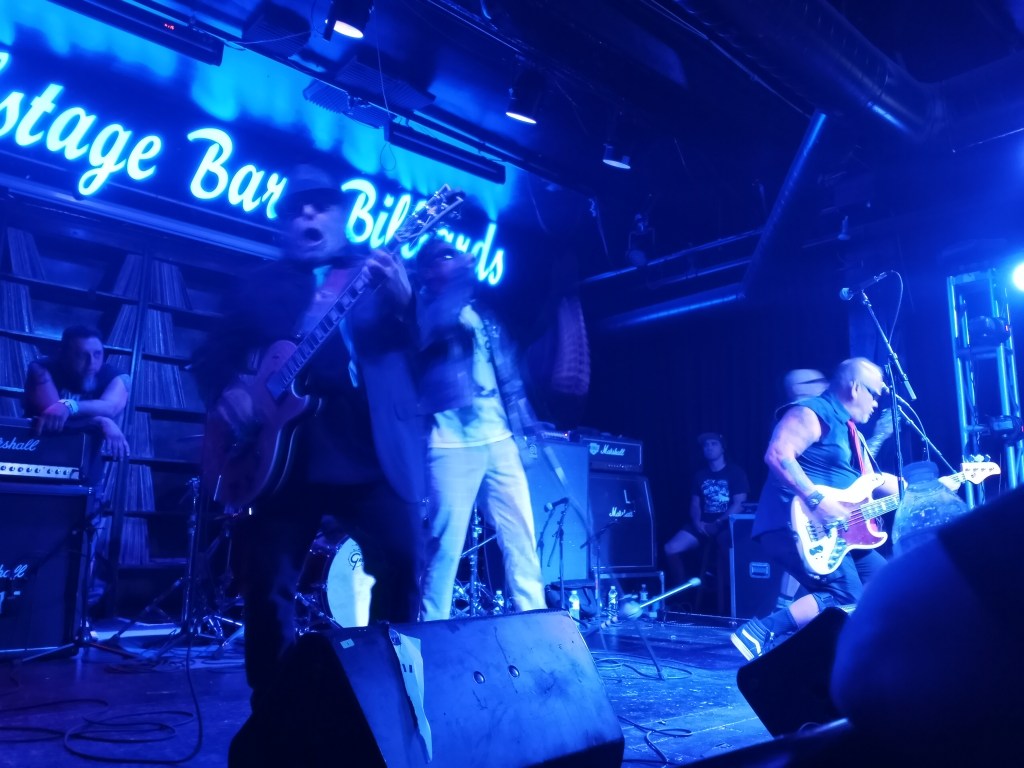


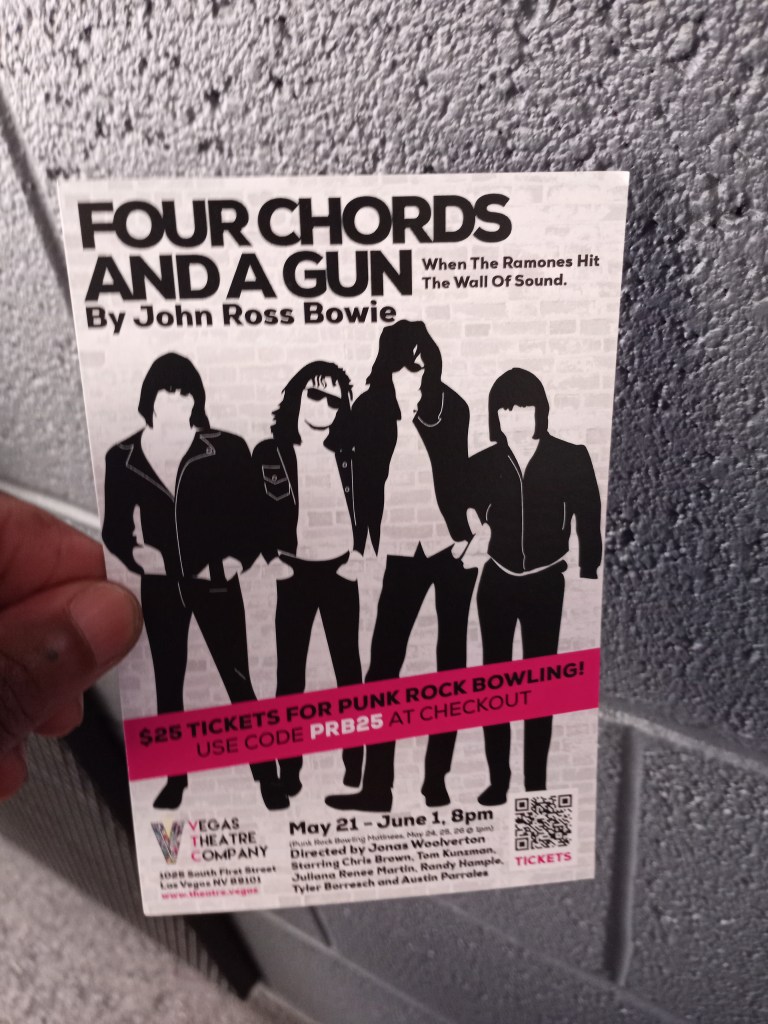
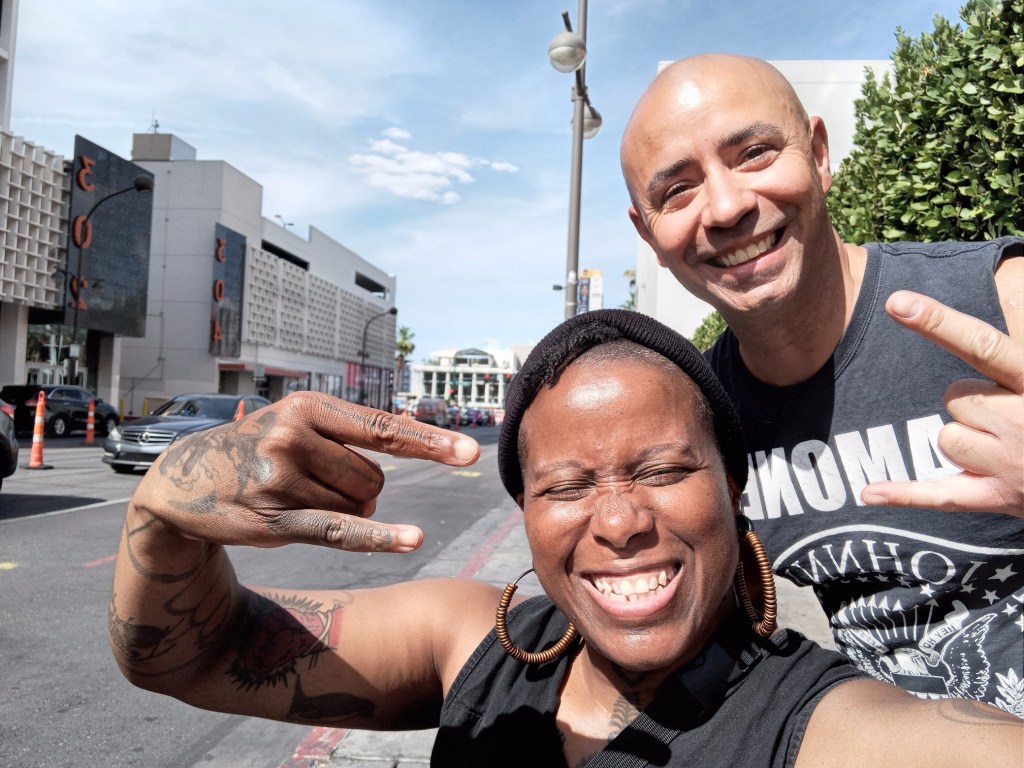
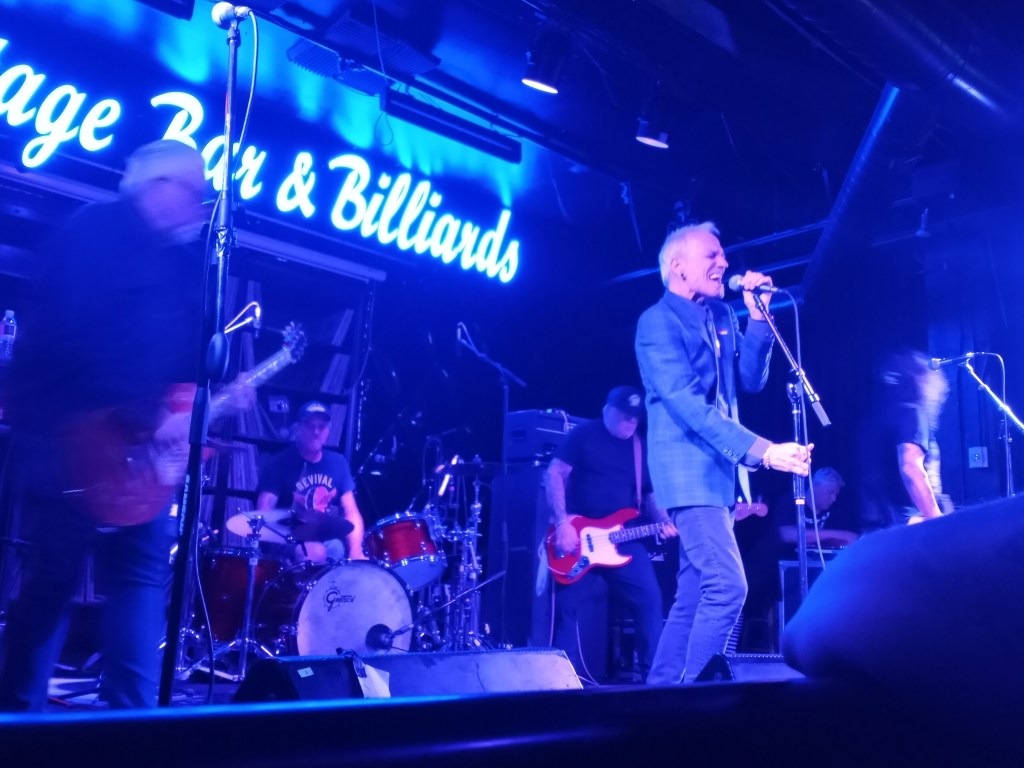
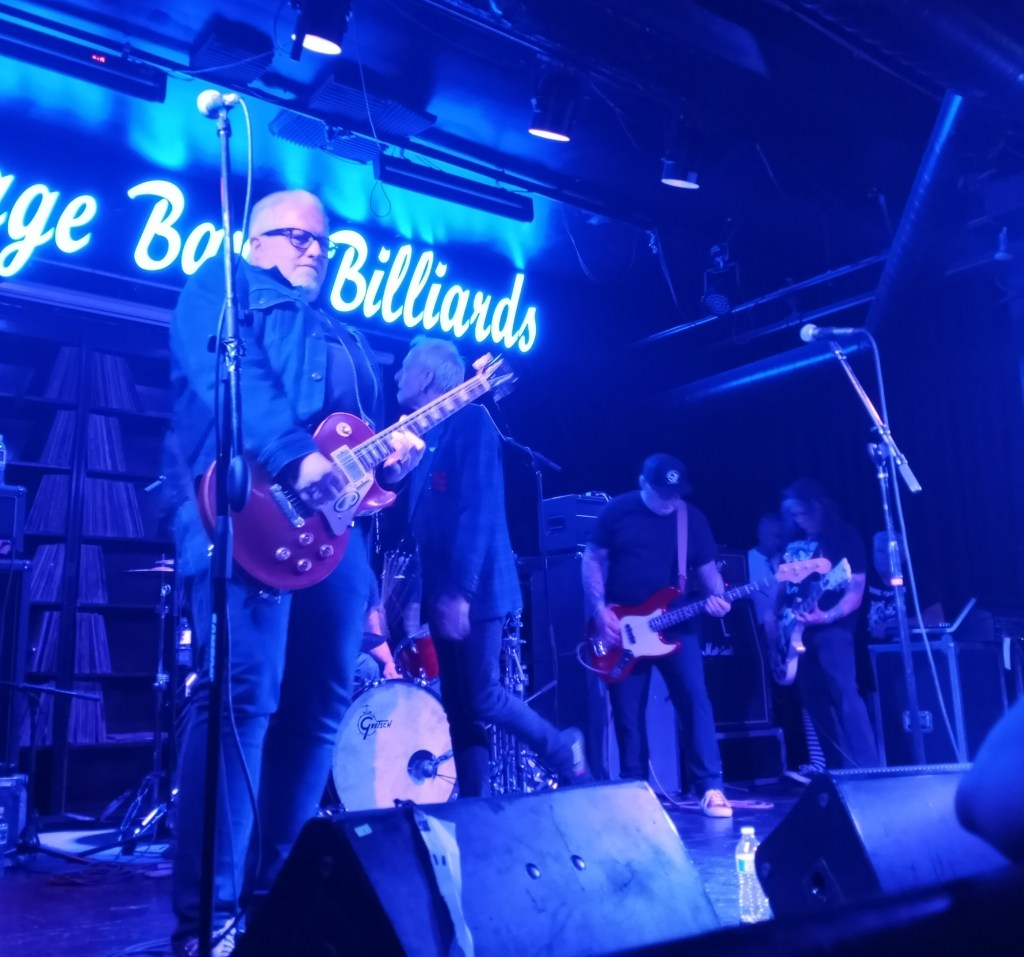
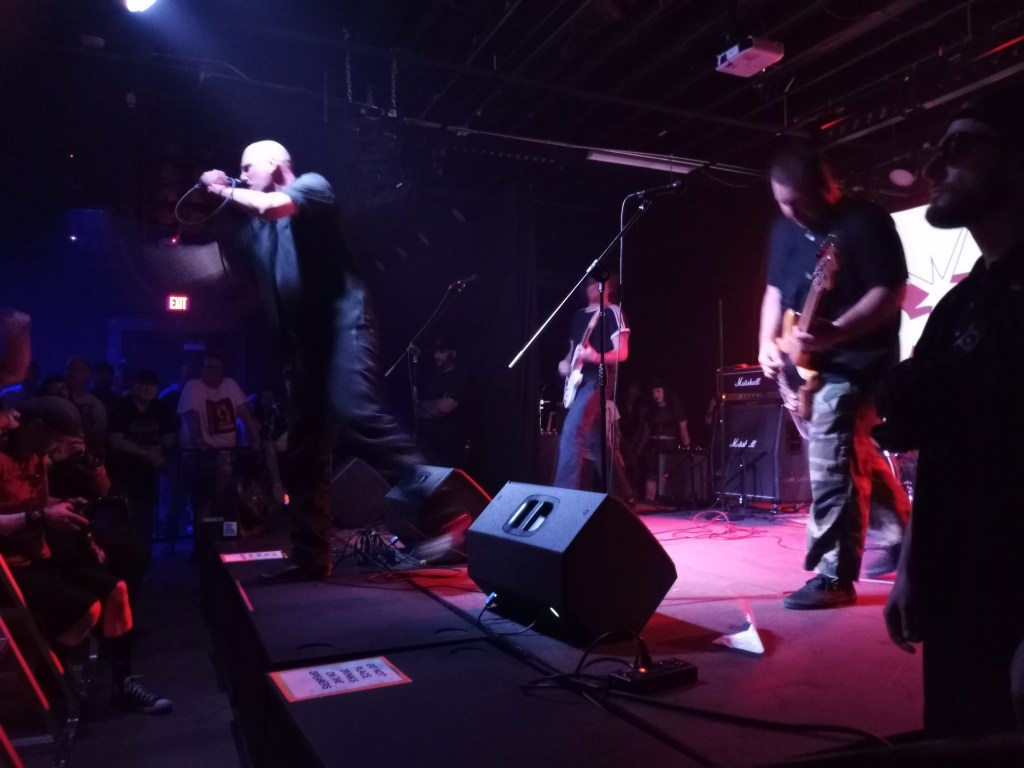
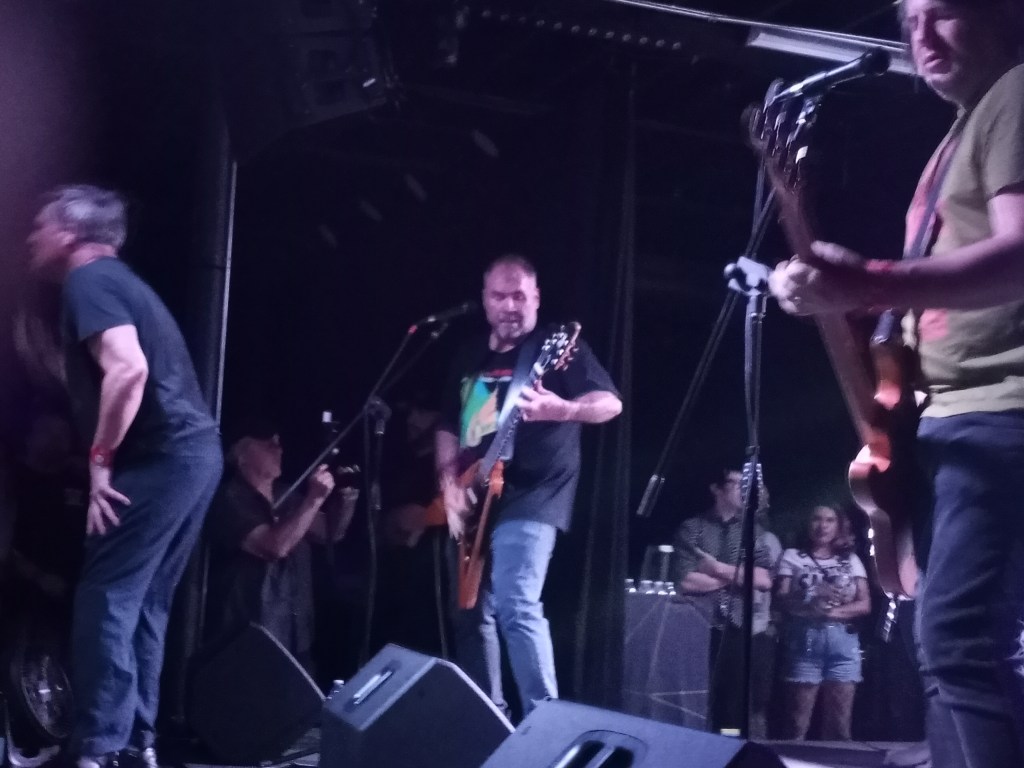
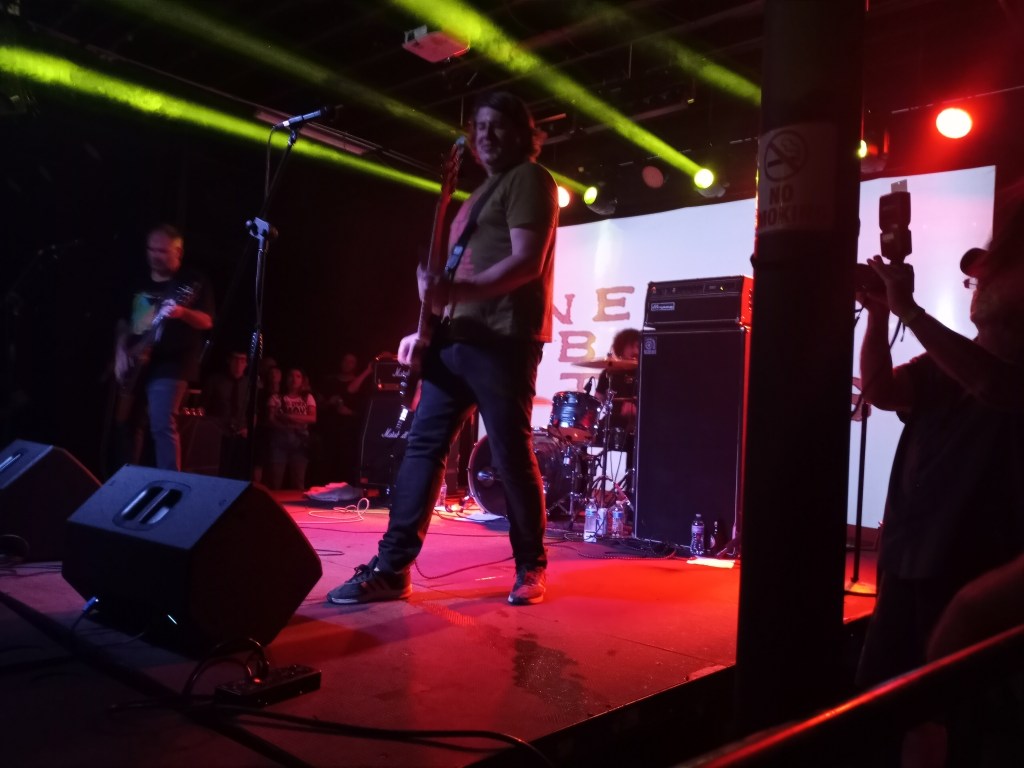


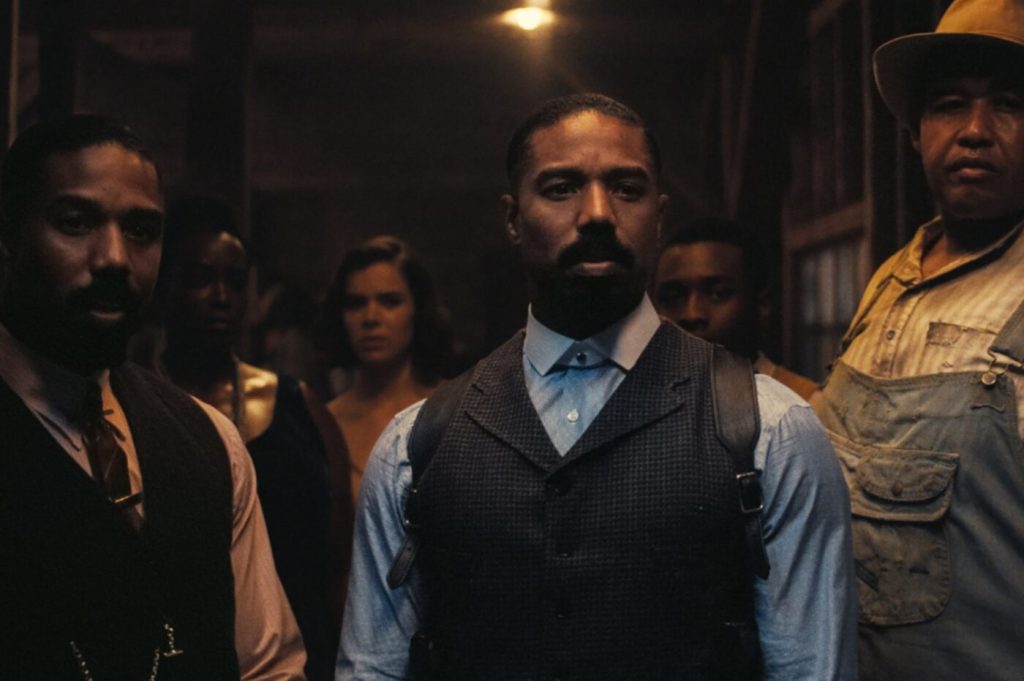

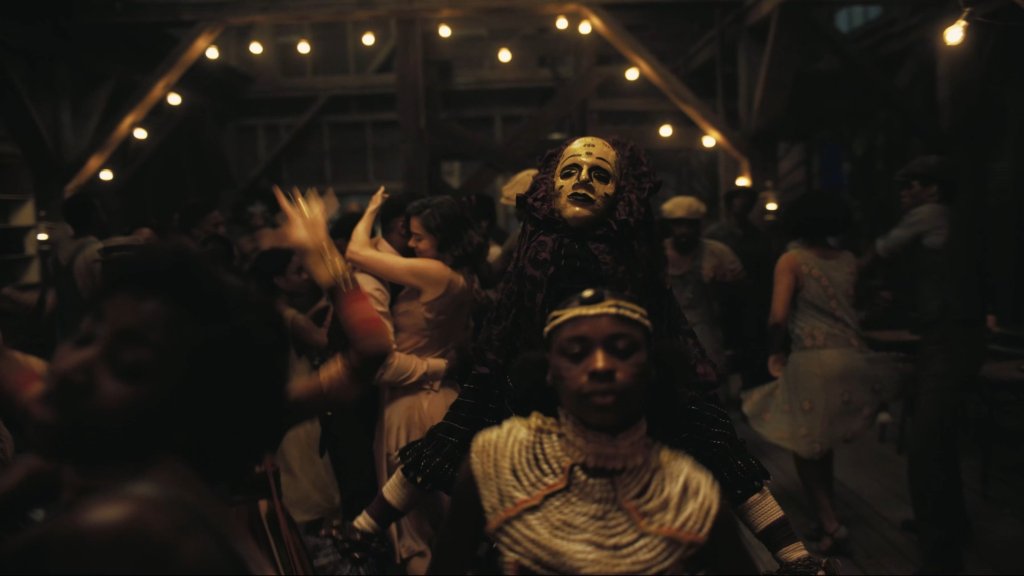

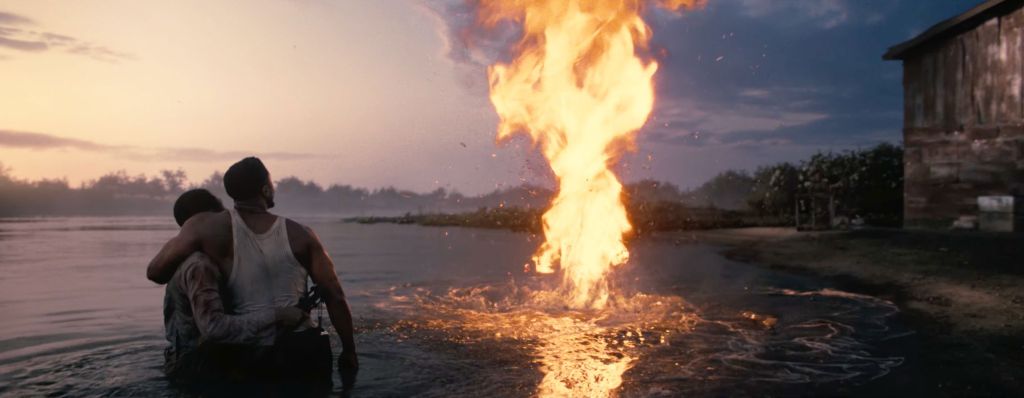
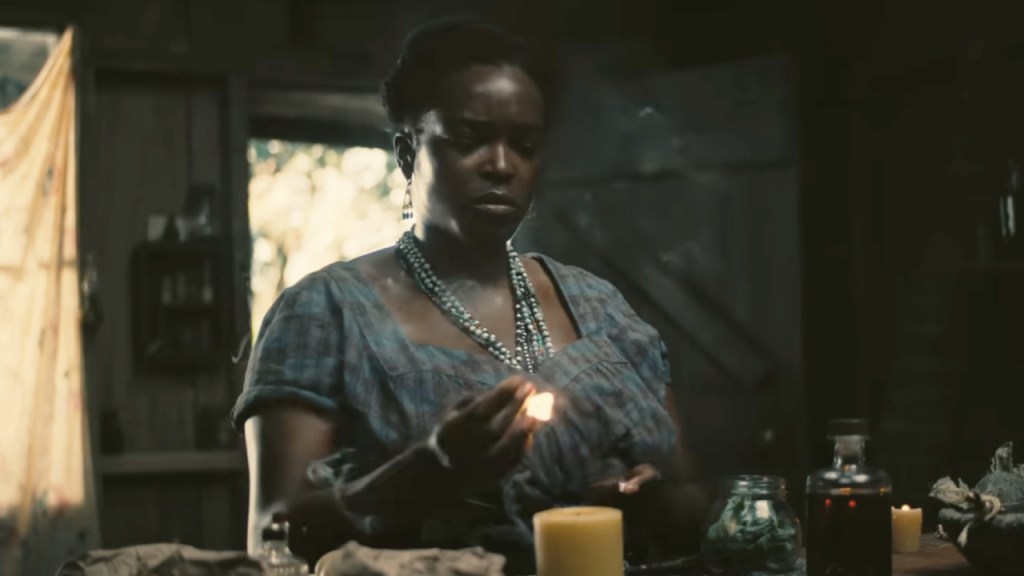


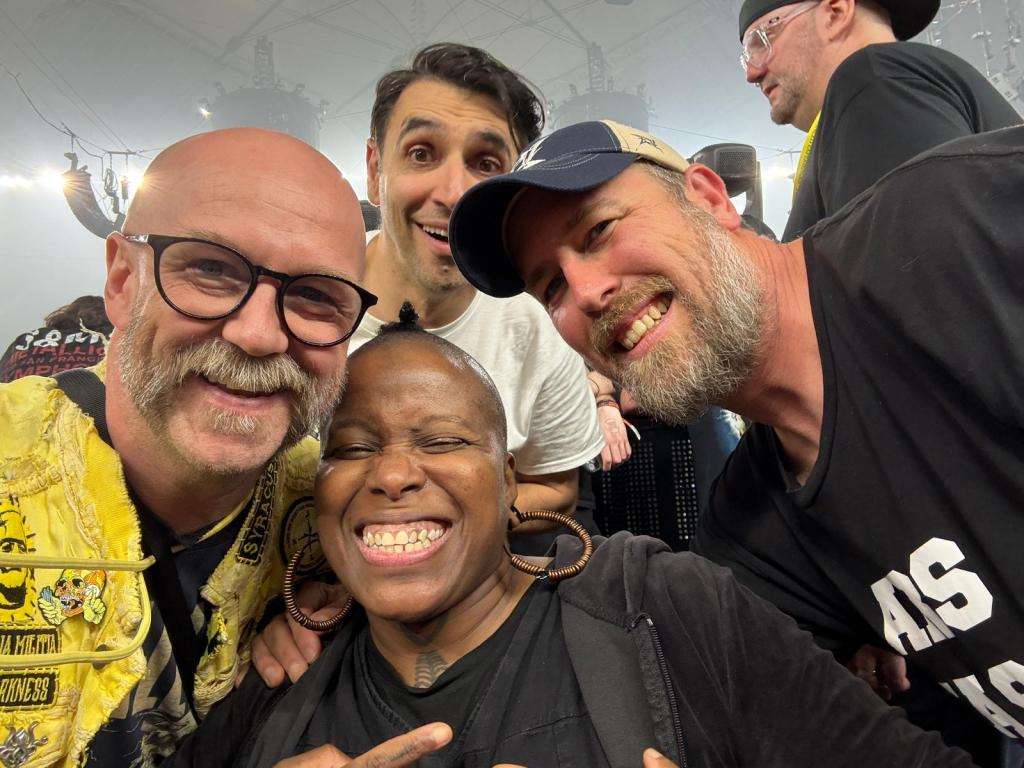
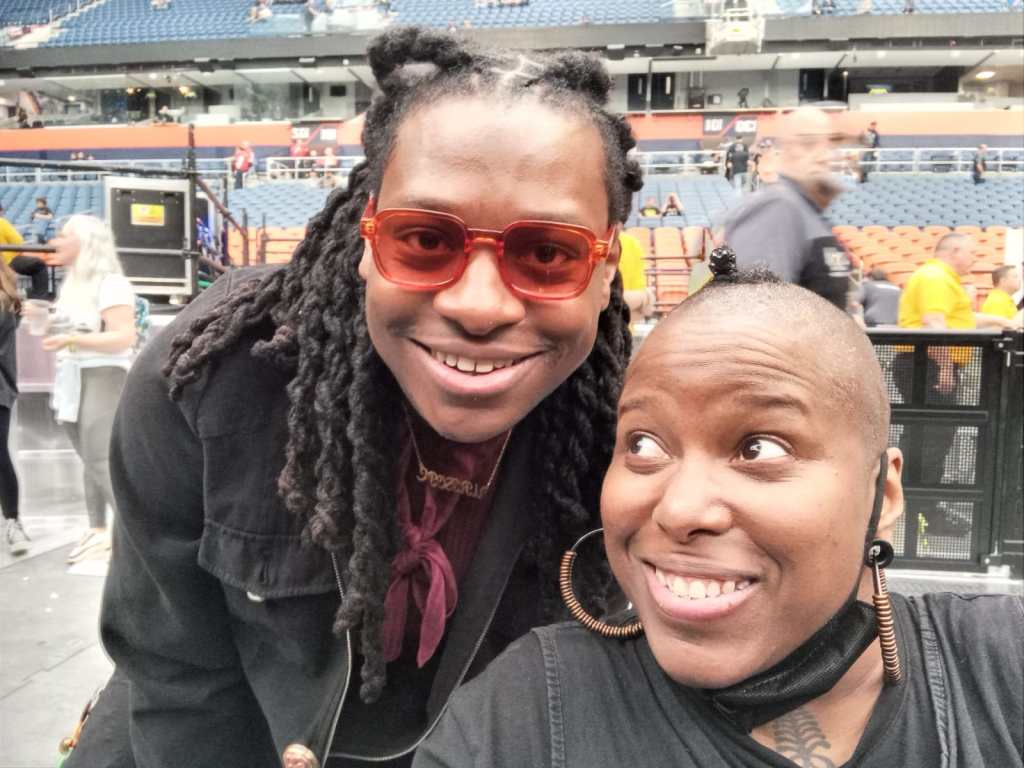
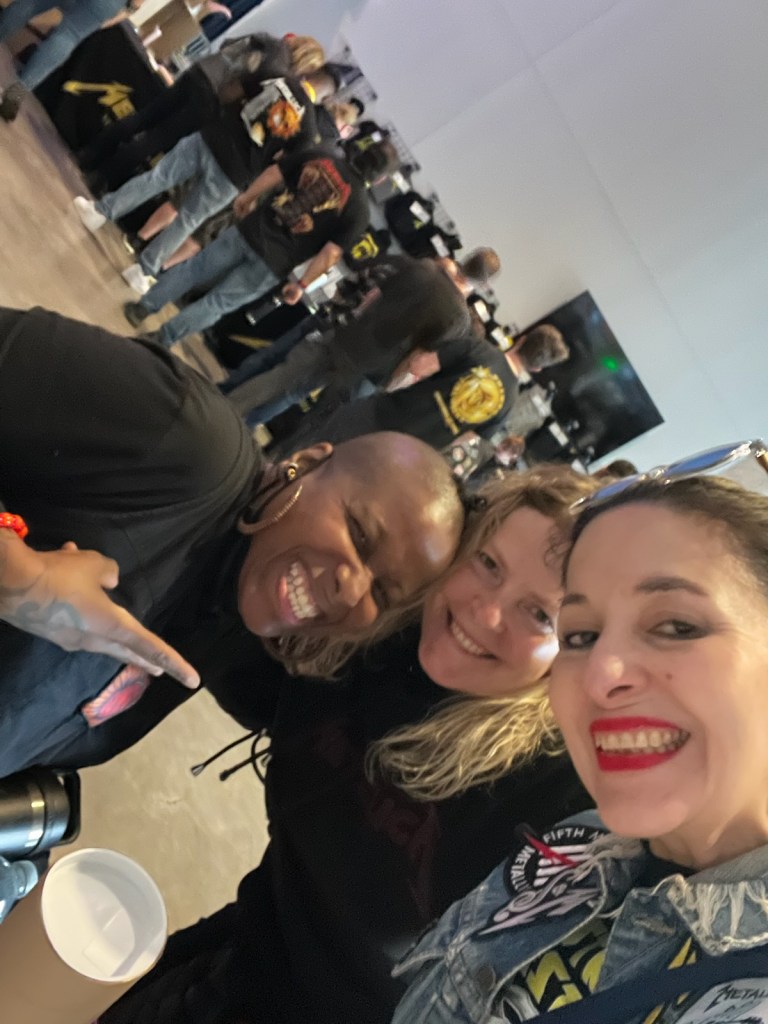


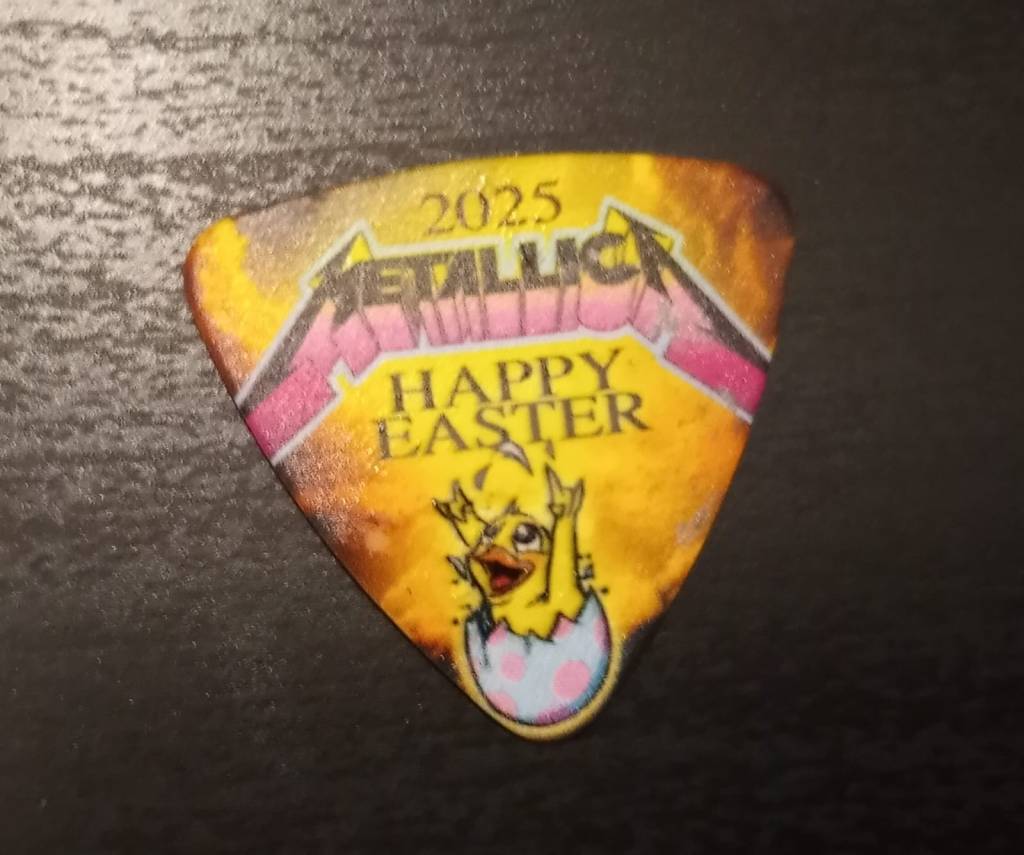
 the one woman apollo!